
In the ninth part of my story, I shared the excitement of returning to the University of Allahabad with my Ph.D. in hand, followed by a prestigious professional leap to the Lal Bahadur Shastri National Academy of Administration in Mussoorie. Training the nation’s future civil servants was an honor, yet the harsh mountain climate took a severe toll on Nilofer’s health, leaving us at a crossroads. This tenth installment recounts a high-stakes return to my alma mater, the bureaucratic battle that nearly cost me my career, and the eventual triumph that brought us back home to Allahabad.
A Window of Opportunity
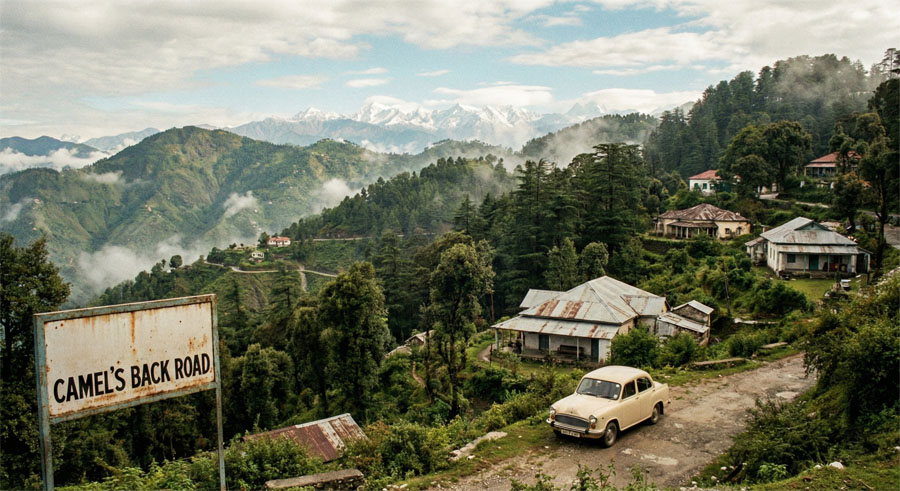
Although I deeply appreciated the refined work environment in Mussoorie, I often felt I was drifting away from a mainstream university career. Combined with Nilofer’s persistent health issues, this forced me to look for opportunities closer to home. In 1990, a “God-given” window opened: Allahabad University advertised two posts for Professor of Mediaeval and Modern History. With the Director’s permission, I immediately applied.
The interview was held at the Vice Chancellor’s residence, a traditional practice at the university. Upon arrival, the air was thick with tension; we learned that the selection committee included the legendary historian Professor Irfan Habib. When it was my turn, Vice Chancellor Professor W.U. Malik introduced me, highlighting my academic journey and my current role at the Academy.
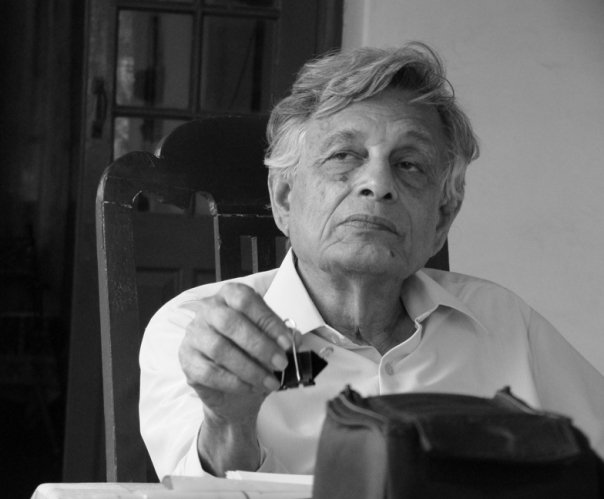
The interview was rigorous. Professor Habib posed the most searching questions, particularly regarding my newly published book, Mughal-Ottoman Relations. He seemed satisfied with my use of sources, though he also surprised me with questions on American History—a subject I had taught years prior but was currently unprepared to discuss in depth. Other experts questioned my future research projects and my teaching at the Academy. I walked out feeling satisfied and returned to Mussoorie with high hopes.
The Executive Council Stand-off
Shortly after, I received unofficial word that the committee had unanimously recommended me and Professor Lal Bahadur Verma of Manipur University for the positions. I was overjoyed and told Nilofer to prepare for our move. However, my happiness was short-lived.
University politics soon intervened. When the recommendations reached the Executive Council for ratification, certain individuals—displeased by my swift rise—persuaded members to oppose my selection. They used the flimsy pretext that I had not yet supervised a student to a Ph.D. completion. While this was not a mandatory requirement under UGC regulations, they managed to defer the decision to a future meeting.
At the next meeting two months later, despite the Vice Chancellor’s fervent pleas that I was already a Professor at a prestigious national academy, my opponents successfully stalled again. They suggested the matter be referred to the Chancellor of the University—the Governor of Uttar Pradesh—for final arbitration.
Seeking Justice at the Raj Bhavan
I was disappointed but determined to fight this injustice. As luck would have it, an IPS probationer who had been a student of mine was then serving as the ADC to the Governor. He facilitated a fifteen-minute appointment for me at the Raj Bhavan in Lucknow.
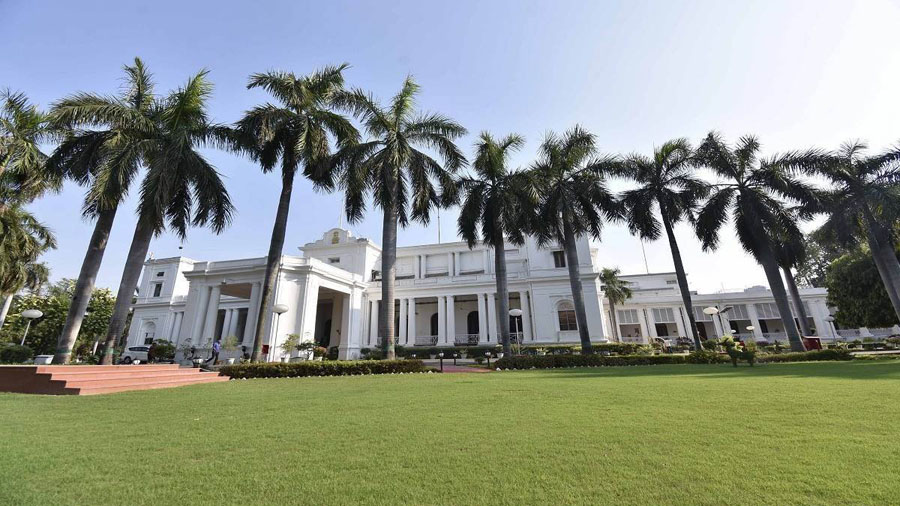
On the appointed day, I met the Governor and presented a detailed petition. He listened patiently, expressing surprise that a unanimous recommendation from a valid selection committee had been referred to him at all. Fortunately, the Governor’s Principal Secretary was an old university fellow who knew me well and had served as the District Magistrate of Allahabad. He spoke in my favor, explaining the nuances of university politics to the Governor. The meeting lasted well beyond the allotted time, and I left Lucknow feeling that justice was finally within reach.
Victory and a Bittersweet Farewell
A few weeks later, the news arrived: the Governor had ruled in my favor. He issued a judicial order directing the university to appoint both Professor Verma and me without further delay. Well-wishers urged me to join immediately to prevent any further legal hurdles from my opponents.
I took a brief leave from the Academy and rushed to Allahabad. In the last week of March 1991, with the blessings of my department head, Professor Radhey Shyam, I officially joined as Professor. Professor Verma joined alongside me, happy to be serving closer to his hometown of Gorakhpur. My mother and family were overjoyed at the prospect of our permanent return.
Returning to Mussoorie one last time, I submitted my resignation. The Director was disappointed to lose my services but was gracious enough to facilitate the process. Nilofer and I began the final packing. Since we had rented our furniture from the Academy, we only had our personal belongings to manage.
The night before our departure, the Director held a formal farewell dinner. He spoke glowingly of my contributions to the Academy, and it was deeply moving to say goodbye to dear friends like V.K. Gupta, C.S. Prasad, and Sudhir Mathur. In the first week of April 1991, we finally left the hills behind.
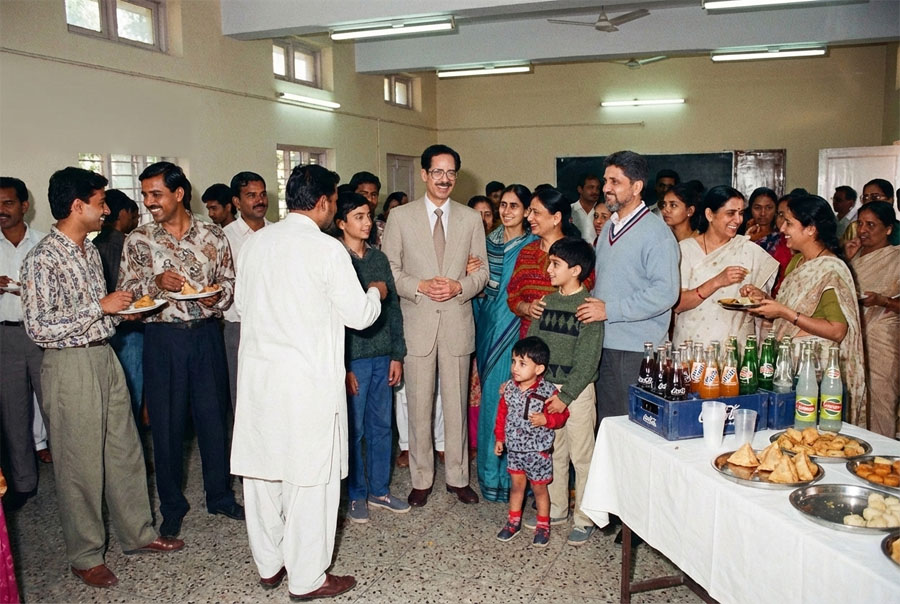
Returning to Allahabad as a Professor was more than just a promotion; it was a hard-won victory over the hurdles of institutional politics. I arrived back at my alma mater not just with a title, but with a wealth of experience from the “Oxford of the East” and the National Academy. As we settled back into our home in the plains, I felt a profound sense of peace. I was back where I belonged, ready to dedicate the coming years to the students and the department that had shaped me.
To be continued…
One comment on “From the Backbenches to the Vice Chancellor’s Chair: My days at Allahabad University – Part 10”