In the last part of my story, I shared the intense bureaucratic and legal battle I fought to return to the University of Allahabad. After a prestigious tenure at the National Academy of Administration in Mussoorie, I finally secured my position as Professor, overcoming institutional politics to return to the “Oxford of the East.” This eleventh installment marks my transition back into university life, the scholarly milestones of the early nineties, and the bittersweet moment I prepared to leave for another renowned institution: the original Oxford.
Resuming Roles and Expanding Home
I resumed my duties in the Department of Mediaeval and Modern History in the first week of April 1991. Most of my colleagues welcomed me and Professor Lal Bahadur Verma warmly. Although the academic session was drawing to a close, I was immediately assigned two postgraduate classes and one undergraduate section. I returned to my familiar subjects, teaching American History to M.A. Previous students and Mediaeval Indian Culture to M.A. Final students.
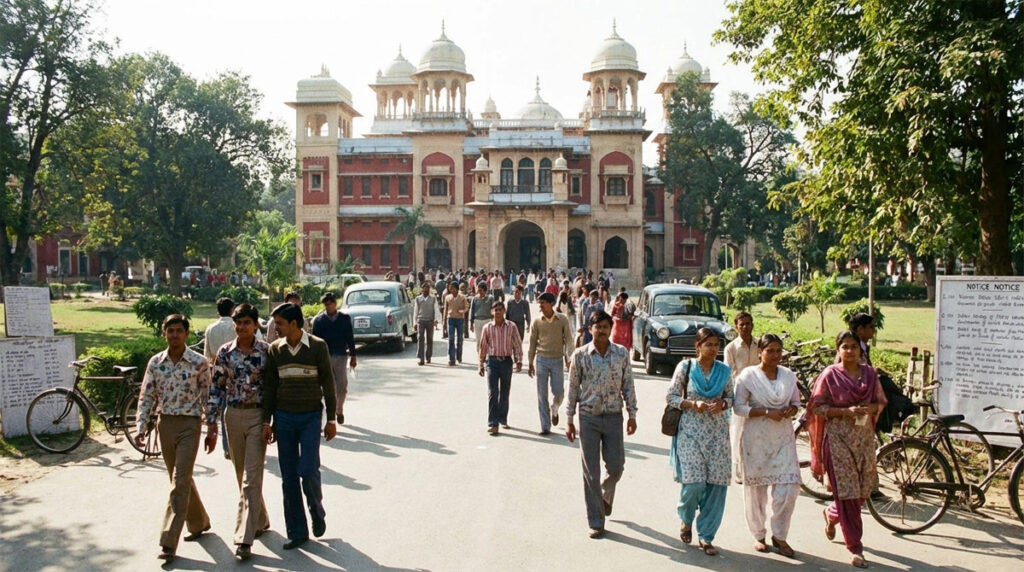
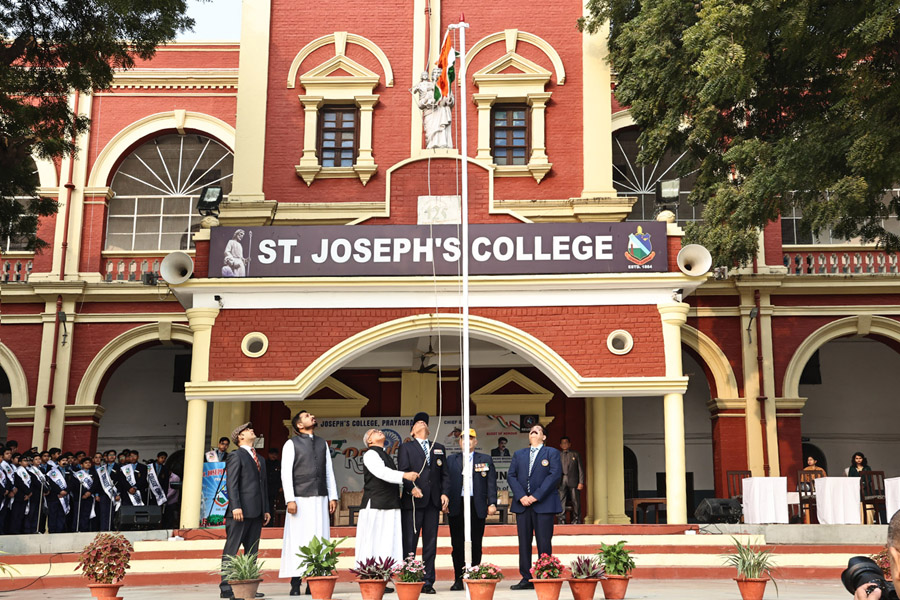
Settling back into Allahabad also meant managing my children’s education. After several meetings and examinations, I successfully admitted Tipu and Khurram to the reputable St. Joseph’s College in the IXth and IVth standards, respectively. At home, I realized our family needed more space to live comfortably alongside my brother Kalim and his growing children. To accommodate everyone, I decided to expand our ancestral home in Rajapur by adding a bedroom and kitchen on the first floor. Although the project required a small loan from a friend and support from my brother Muhammad Ahmed Bhai, the extra space provided much-needed comfort for both our families.
Reforming the Syllabus
In July 1991, as the new session began, we sought to update the postgraduate syllabus. We introduced four new courses at the M.A. Previous level: Historiography, History of the Contemporary World, History of the Indian Diaspora, and History of Film and Theatre in Modern India. We made Historiography a mandatory course for all M.A. Previous students, giving them a solid foundation in historical methodology.
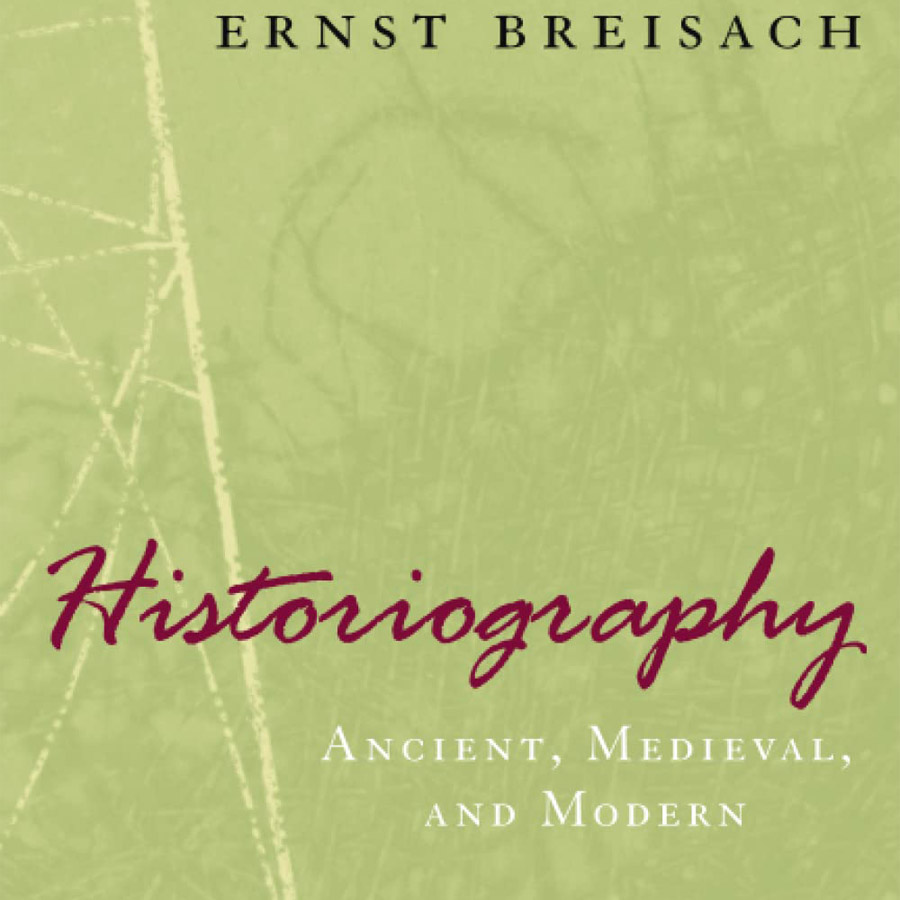
We also introduced a new course on the History of India in the Eighteenth Century for M.A. Final students. These updates were ratified quickly by the Academic Council and were received with great enthusiasm by the students. While Professor Verma took over the mandatory Historiography course, I continued my focus on American History and Mediaeval Indian Culture.
Scholarship and Academic Leadership
The year 1992 was a milestone for my research. To mark the 450th birth anniversary of Emperor Akbar, the Indian Council of Historical Research (ICHR) organized an international conference. I was invited to present a paper based on documents I had discovered in the Turkish Archives in Istanbul. It was a nervous experience speaking before the leading historians of the time, but by the grace of Allah, my work was highly appreciated and later published in a volume edited by the distinguished Professor Iqtidar Alam Khan.
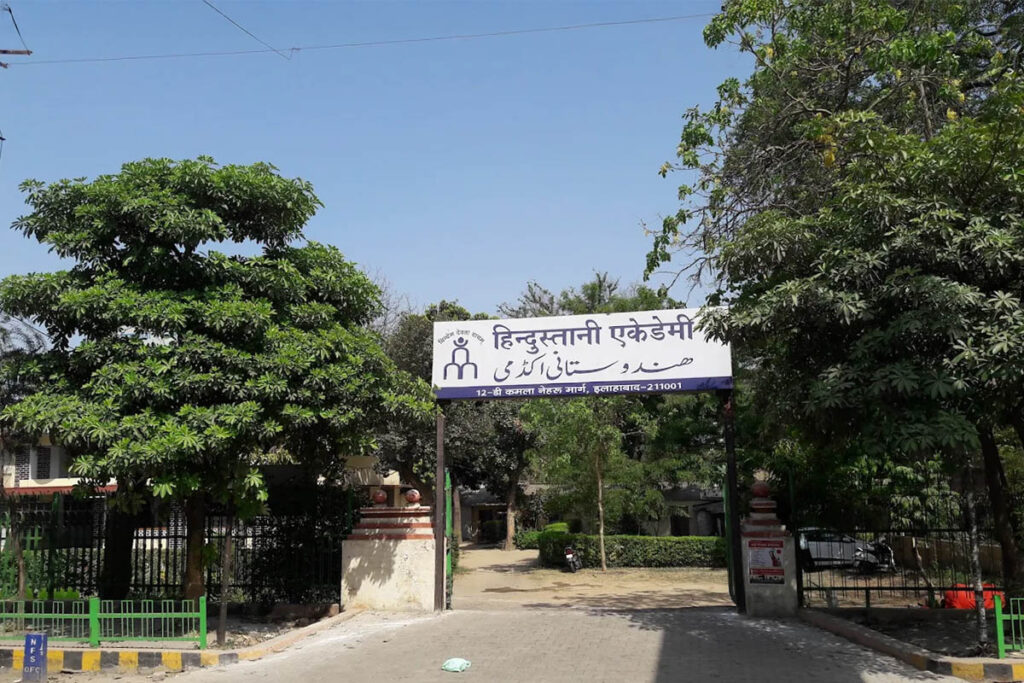
Shortly after, the ICHR awarded our department a grant to hold a week-long workshop on Akbar’s reign. As the coordinator, I faced the challenge of organizing the event amidst student union agitations on campus. On the advice of my department head, we moved the workshop to the Hindustani Academy. It was a resounding success, featuring scholars like Professor Irfan Habib. I even invited my brother, who was visiting Allahabad at the time, to preside over a session where he spoke eloquently on the need for a scientific approach to history.
The Stupendous Task of Admissions
In 1993, Professor Radhey Shyam entrusted me with the postgraduate admission process. In those days, admissions were based purely on undergraduate marks rather than entrance tests. It was a stupendous task: sorting through hundreds of applications, verifying mark sheets, and ensuring all reservation rules were followed.
As the chairman of the committee, the entire responsibility fell on my shoulders. I had to manage the intense pressure from student union leaders trying to push their own candidates. Though we routinely ignored these requests, the process was incredibly stressful. Nevertheless, we completed the task on time, and the new session began as scheduled in July.
The Call of Oxford
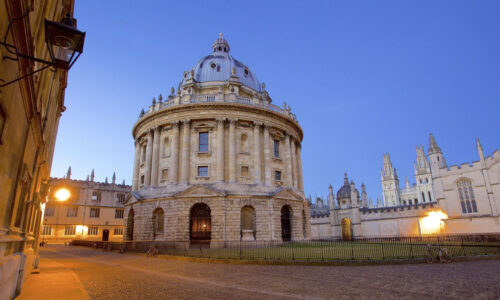
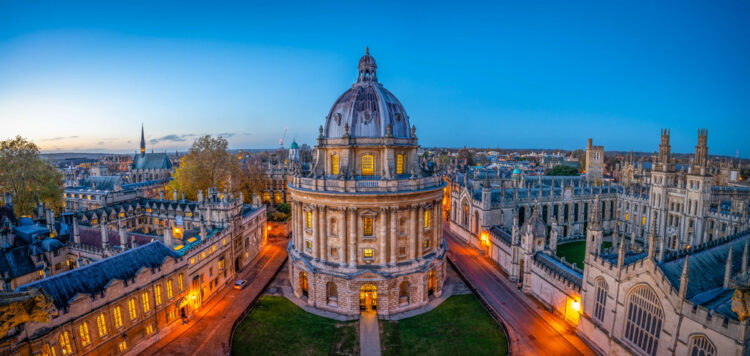
In 1994, I saw an advertisement in the Hindustan Times for a Senior Leverhulme Fellowship at the Oxford Centre for Islamic Studies, Oxford University. They were looking for a scholar to assist with the “Atlas of Muslim Civilization in South Asia.” Having served at the “Oxford of the East,” it was my heartfelt desire to be associated with the original Oxford.
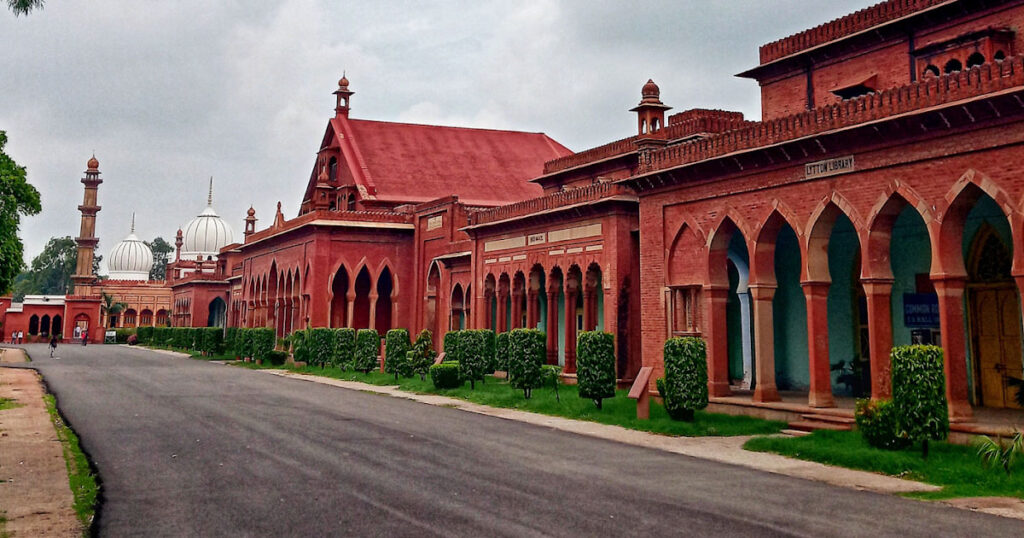
I later learned that the Centre’s Director, Dr. Farhan Ahmed Nizami, was the son of Professor K.A. Nizami. After a personal meeting with Farhan Saheb in Aligarh, I received an official invitation in September 1994 to join the fellowship for one year. While it was a professional honor, it was a painful personal decision to leave Nilofer and the children once again. However, I knew they would be well-supported by my mother and Kalim’s family. The University granted me a year of leave without pay, and I prepared for the journey.
A Heartbreaking Goodbye
In the first week of October 1994, the day of my departure arrived. Nilofer, Tipu, Khurram, and Kalim came to the Allahabad railway station to see me off. As I boarded the train for Delhi, young Khurram began to cry loudly. I tried to comfort him with promises of gifts, but he remained inconsolable as the train pulled away.
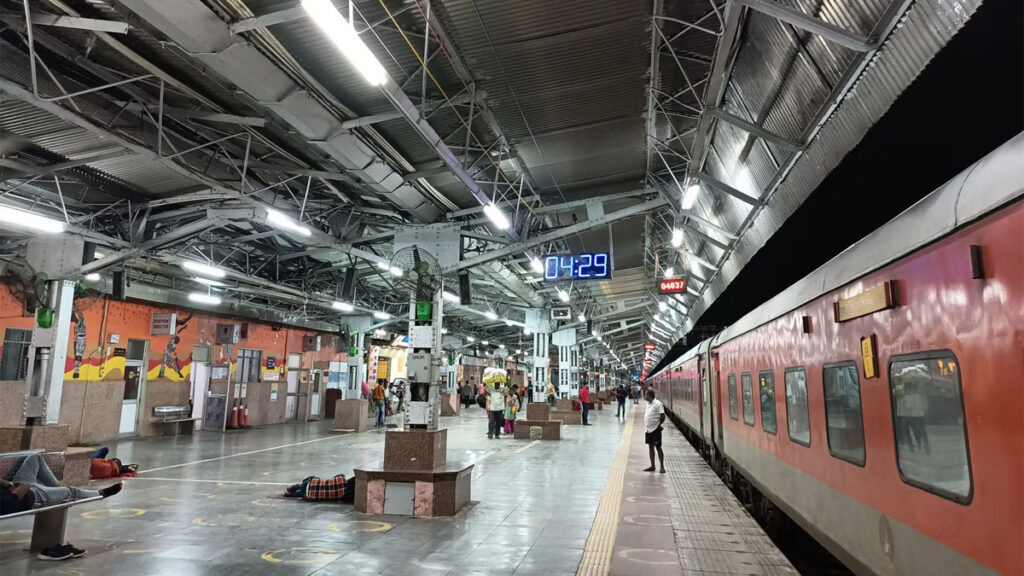
Watching him weep was one of the hardest moments of my life. Nilofer later told me he cried all the way home; I, too, spent a sleepless night in the carriage, plagued by the guilt of leaving my young children behind for the sake of my career. The next morning I reached Delhi, and that night, I flew to London to begin my new chapter.

Returning to the classroom and the archives in Allahabad had been fulfilling, but the opportunity at Oxford represented a pinnacle of academic achievement. Though the departure was tinged with the sadness of a father’s guilt, I was stepping onto a global stage that few had the chance to reach. My journey was taking me from the banks of the Ganges to the dreaming spires of England, ready to contribute to a landmark project in Islamic history.
To be continued…