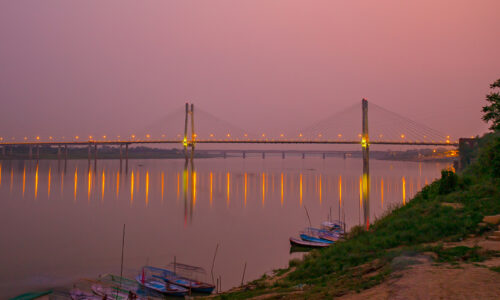
In the previous part of this series, I shared the heavy heart with which I left Allahabad in October 1994, bound for a prestigious Senior Leverhulme Fellowship at the Oxford Centre for Islamic Studies. The tears of my young son, Khurram, were still fresh in my memory as I boarded my flight to London, leaving behind my family for what I knew would be a transformative, yet challenging, year abroad.
Arrival in the Dreaming Spires
I landed at London’s Heathrow airport the next morning. After going through the immigration and customs formalities, I emerged from the arrival lounge to find the shuttle for Oxford waiting, just as the Centre’s registrar had informed me in his reply to my arrival notice. He had also mentioned that someone from the Centre would meet me at the Oxford bus station. I had also informed my nephew, Ghazali (Mahmood Farooqui), who was studying at St. Peter’s College, Oxford University, as a Rhodes Scholar, about my arrival. I bought a shuttle ticket for ten pounds, which brought me to my destination after about an hour and a half.
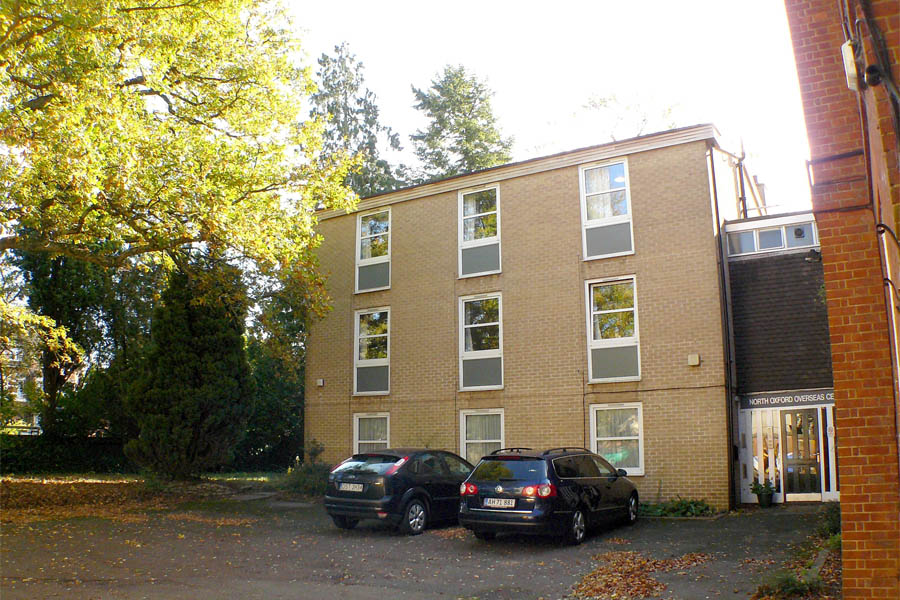
At the Oxford bus stand, I was welcomed by the Centre’s secretary and Ghazali. Needless to say, I was overjoyed to meet them, especially Ghazali, in a town where I was a total stranger. The secretary took me to the North Oxford Overseas Centre at 116/117 Banbury Road, where arrangements for my stay had been made. I was allotted one fully furnished, spacious room on the first floor with a small kitchenette, a refrigerator, and an electric stove, for which I paid 270 pounds per month. I had to share the washroom with two other residents on the same floor. This multi-story building was quite popular among South Asian students and visitors to Oxford.
The secretary left me in the room with Ghazali, assuring me that she would come back the next morning to take me to the Centre. After taking a bath and changing my outfit, I went with Ghazali to a nearby superstore where I bought the required groceries, a set of cooking utensils, a teapot, and a kettle. I also bought a telephone card worth ten pounds to call my family in India. I missed them very much, especially Khurram, whose sad face brought back the painful memories of our parting at the Allahabad railway station. With Ghazali’s help, I managed to cook rice and arhar dal for lunch, after which I retired to take some rest. Ghazali returned to his college, promising to meet me the following evening.
Settling into the Centre
The next morning, I went to the Oxford Centre for Islamic Studies with the secretary, where I was greeted by the Assistant Registrar, Mr. Basil Mustafa. He gave me 500 pounds as an advance from my salary for the month of October to take care of my immediate expenses. I urgently needed money, as the manager of the North Oxford Overseas Centre had asked me to deposit 100 pounds as a security deposit. Dr. Muhammad Akram Nadvi, a profound scholar of Arabic and Persian who was also associated with the Atlas project, welcomed me warmly and briefed me on the work we were to do together. He explained that Dr. Nizami, who held a Ph.D. from Oxford University, had established the Centre with the blessings and support of the internationally renowned Indian Muslim scholar Maulana Abul Hasan Ali Nadvi (Ali Miyan), who served as the Chairman of the Centre’s Board of Trustees. I also learned that Dr. Nizami had cultivated cordial relations with the political elites of almost all the Middle Eastern states, who provided financial support to the Centre. He was equally well-known in British political circles—so much so that Prince Charles (now King Charles III of the UK) was the Centre’s Chief Patron.
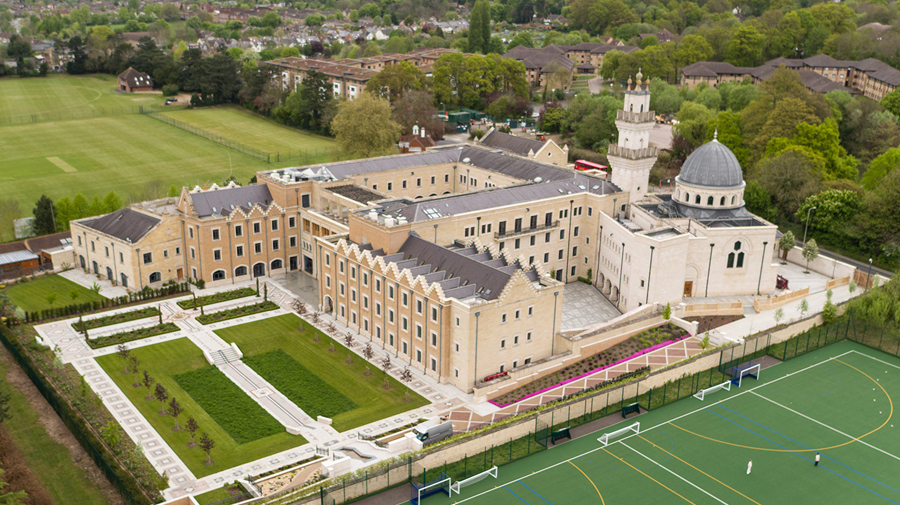
I called home from the Centre and spoke to my mother, Nilofer, and the children, assuring them that I was doing well and that they should not worry about me. In the afternoon, I met Dr. Nizami, and we discussed the Atlas project at length. He suggested that I focus my research on the growth and development of the Sufi silsilahs in the Indian subcontinent. The plan was to prepare maps locating the major Sufi centers in the region and compile detailed narratives on the life and works of the great Sufi saints, along with their spiritual genealogies. He told me that the Centre had a fine library from which I could borrow books, and he promised to arrange for me to have membership at the India Institute library and the Bodleian Library of Oxford University (established in 1602) to consult volumes unavailable at the Centre. He also informed me that the Centre published a monthly international journal, The Journal of Islamic Studies, and invited me to contribute at least one research paper.
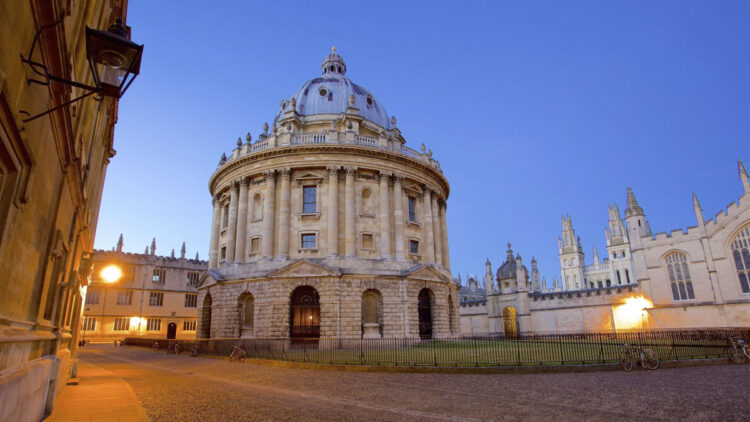
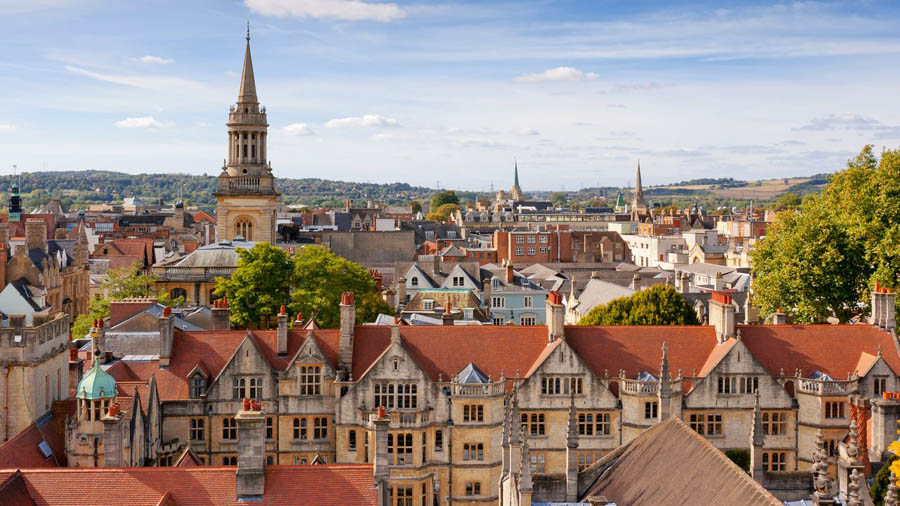
In the evening, Ghazali came to see me at my residence, and we went to an Indian restaurant on Cornmarket Street for dinner. On the weekend, we went out to explore the city and its colleges. I was surprised to learn that Oxford University has maintained its traditions and educational standards for almost six hundred years.
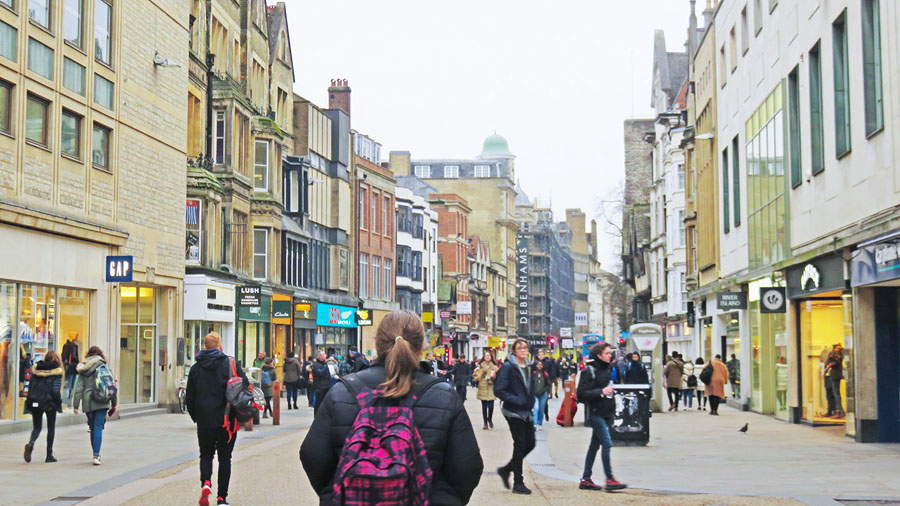
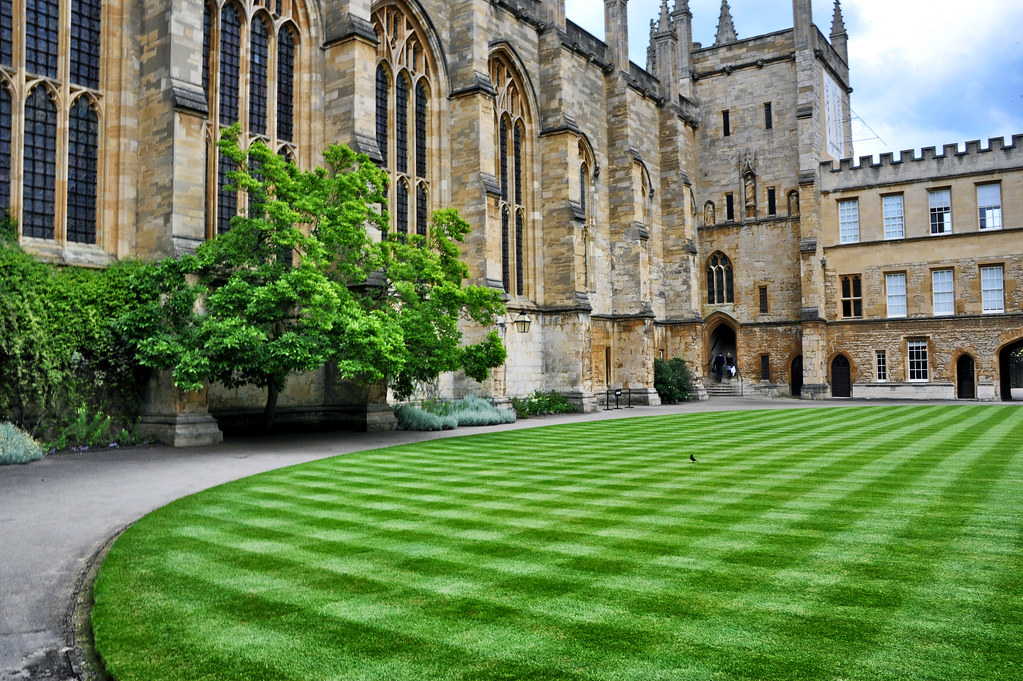
I found that the main entrance gate of every college was not very imposing, but as soon as one entered, a new world came into view. All the colleges were well-maintained with spacious lawns, beautiful gardens, and impressive buildings. It was a joy to visit these colleges and learn about the history of their faculty and their contributions to the world of knowledge. I also visited the St. Peter’s College boarding house that day, where Ghazali had a bedroom and a small sitting room. It was a matter of pride for me that a member of my family was studying at this prestigious college as a Rhodes Scholar. Ghazali continued to visit me every evening, and we spent a lot of time together.
The Research and the Atlas Project
The Centre of Islamic Studies was located approximately two kilometers from the North Oxford Overseas Centre. The Centre was open from 10 a.m. to 5 p.m., so I planned to walk to the Centre around 9:30 a.m. every day to ensure I arrived on time. Within a few days, I became familiar with all the employees and the Centre’s work culture. My workspace was in the basement, where I worked alongside Dr. Akram Nadvi. The basement also had a small kitchen where we could prepare and take tea at will. Lunch was served to all employees, though the menu mostly consisted of pizza and sandwiches. Every Wednesday, a fruit and vegetable market was held near the Centre, where I bought my weekly supply of fresh produce.
I started collecting material on the major Sufi silsilahs, planning to begin with the Chishti order, which was arguably the most popular and revered in the subcontinent. In the course of my research, I came to know many facts hitherto unknown to me. I then studied the Suhrawardi, Qadri, Naqshbandi, and Shattari orders. I also regularly visited the India Institute Library to consult relevant material. In consultation with Dr. Nizami, I began preparing detailed narratives regarding these Sufi orders and their major proponents in India. The Centre also hired an Iranian lady, Ms. Cheesta Crowther, to prepare the typescript of these narratives. Within a few months, I was able to write three chapters on the Chishti, Suhrawardi, and Qadri orders. A detailed, colored map locating the prominent centers of these orders in India between the thirteenth and sixteenth centuries was also drawn up.
Friendship and Academic Exchange
The North Oxford Overseas Centre attracted many South Asian scholars and visitors. I met Dr. Muhammad Muzammil, an Associate Professor of Economics at Lucknow University, a few days after my arrival. Dr. Muzammil was a jovial, exuberant person, and we quickly became friends. He was visiting Oxford on a South Asian visiting scholar program sponsored by St. Antony’s College for six months. He was fond of cooking various Indian dishes, and at my request, we began preparing and having dinner together in my room every evening. He provided excellent company, and our friendship continued to blossom even after he returned to Lucknow. We remained in touch, and he visited my residence whenever he came to Allahabad. Alas, he suddenly passed away due to a heart attack in 2024, but he continues to live on in my memory. May Allah enhance his rank in paradise.
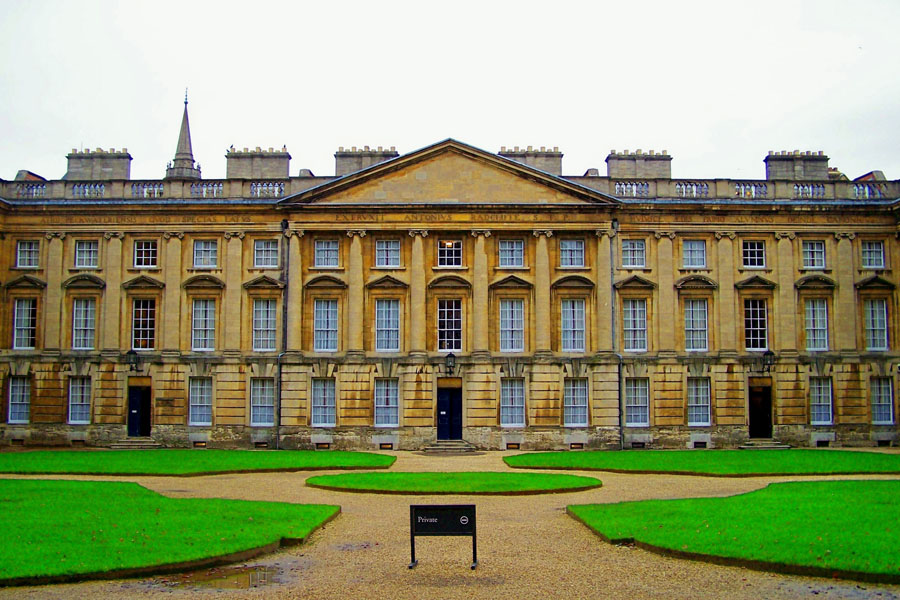
After Dr. Muzammil departed for Lucknow, I felt lonely and was looking for another place to reside. Around the same time, the Oxford Centre of Islamic Studies shifted to a new building in the city center. With the help of Dr. Nadvi, I rented a room in the Commonwealth House, situated right in front of the iconic Christ Church College. This building was not only near the Centre, but the monthly rent was also lower. Once the hustle and bustle of shifting was over, the Centre began to function normally, and work on the Atlas project began in earnest. Apart from working on the project, I also participated in other academic activities.
The Centre had a program of organizing public lectures, and I decided to speak on the problem of Hajj traffic in mediaeval times. In consultation with a visiting American scholar, I proposed a series of three lectures. He agreed to speak on the Hajj during the Mamluk dynasty, and I focused on the problem of Hajj in Mughal India. I suggested to Dr. Nizami that the Centre should invite Professor Suraiya Faroqhi of Munich University to speak on the Hajj under the Ottomans, as her book Pilgrims and the Sultan had appeared in 1994, but citing a shortage of funds, Dr. Nizami did not agree. However, the lecture series presented by the American scholar and myself was very well-attended and appreciated by the public and the academic community alike.
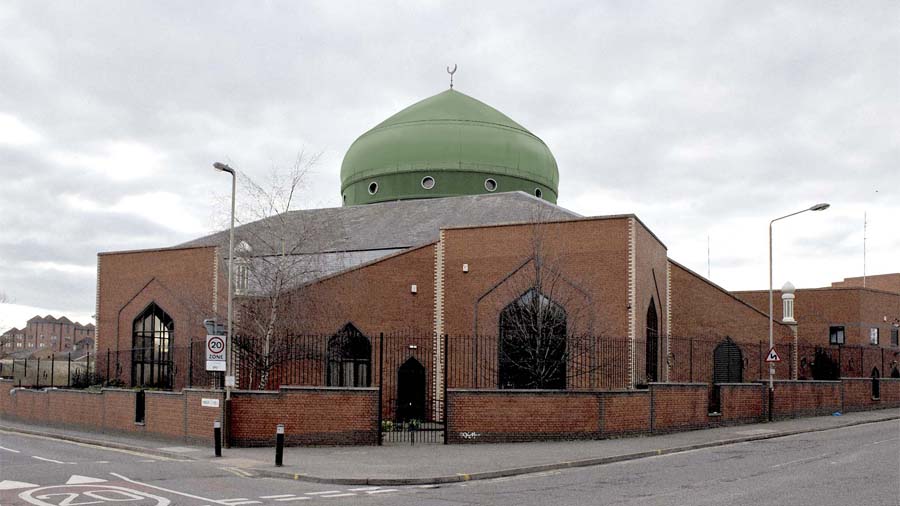
A few weeks later, I was invited by the Islamic Centre in Leicester, UK, to deliver a lecture on the Hajj under the Mughals. I suggested the title: “Pilgrims in Distress: Hajj under the Mughals.” On the appointed date, I traveled to Leicester by train and delivered the lecture, dwelling on the problems faced by Indian pilgrims due to the Portuguese control of the sea route and Persian domination of the land route. After a few days, I traveled to London with Dr. Akram Nadvi to attend a lecture by a Naqshbandi Sufi from Turkey. When it was my turn to introduce myself, the saint, who had been sitting, suddenly stood up and shook my hands respectfully. I told him not to embarrass me, but he replied, “You belong to the family of my sheikhs, and it is an honor to meet you.” I quickly realized that major Indian Naqshbandi saints like Sheikh Ahmad Sarhindi and Shah Wali Ullah were Farooqis and had a large following in Turkey and Central Asia. In August 1995, I delivered another lecture at the Oxford Centre on “The Mughal attitude towards the Ottoman claim to the Universal Khilafat.” The hall was full to capacity, and the lecture resulted in a lively question-and-answer session.
The Return Home
By the time the term of my fellowship drew to a close in October 1995, the Atlas project had progressed very satisfactorily; I had written eight chapters on various Sufi orders. Impressed by my dedication, the Centre proposed to extend my fellowship for one more year. However, I missed my family intensely and felt the need to fulfill my responsibilities at home. Moreover, the University of Allahabad was unlikely to extend my leave, and there was pressure for me to return. I politely refused the Centre’s offer and decided to return home. Bidding a tearful goodbye to my friends, especially Dr. Akram Nadvi, I returned to Allahabad in October 1995.
As I look back on this chapter, I see it as a period of profound intellectual growth and quiet reflection. While the prestige of Oxford provided the perfect setting for my research, it was the distance from my family that taught me the true value of presence and homecoming. I returned to India with my work completed and my heart ready to rejoin the daily life of my family, grateful for every memory I had made in that historic city.
To be continued…