
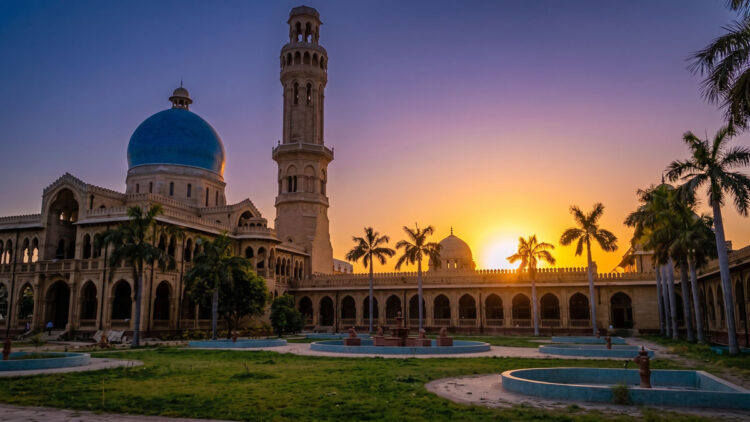
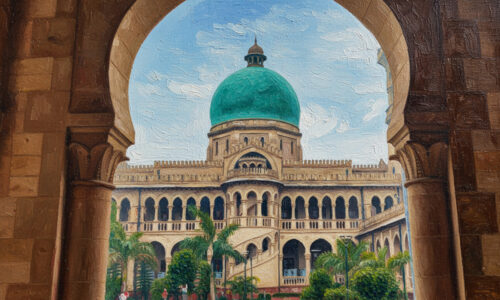
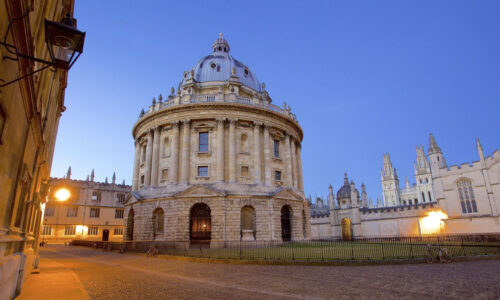
In the previous part of my story, I shared my transformative year at the Oxford Centre for Islamic Studies. While the academic environment was incredibly stimulating and my research into the Sufi silsilahs progressed well, the pull of my family and my responsibilities at the University of Allahabad eventually brought me back to the plains of India. I returned home in October 1995, eager to reunite with my loved ones and resume my place at the “Oxford of the East.”
Homecoming and Resuming Duties
I reached Delhi the next morning and took the night train to travel to Allahabad. At the railway station, Nilofer, Tipu, Khurram, and Kalim were waiting to receive me. It was a moment of sheer joy seeing my family members after such a long time. At home, my mother welcomed me with tearful eyes and blessed me wholeheartedly. I was also pleased to see Kalim’s children, Khusrau and Ghazal. After taking a shower and a sumptuous breakfast prepared by my dear wife, Nilofer, I distributed the gifts that I had brought for every member of the family.
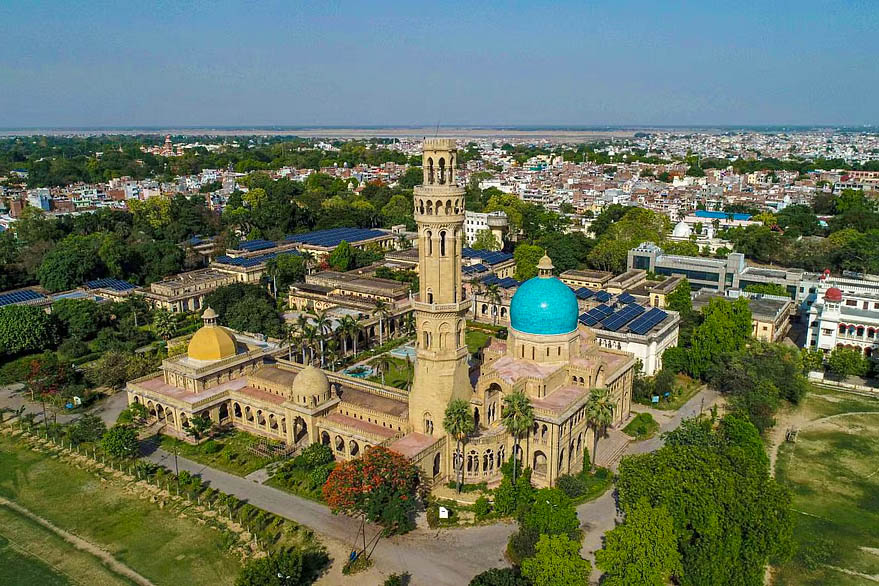
I decided to go to the University and join my duties at the Department of Mediaeval and Modern History the same day. Professor Radhey Shyam, the head of the department, and other colleagues also expressed their pleasure to meet me. That same day, I was assigned to teach American History and Mediaeval Indian Culture to postgraduate classes, and the Economic and Administrative History of Mediaeval India to the B.A. IIIrd year class. I began teaching the students in these classes the very next day.
A New Generation and Onerous Tasks
On the home front, I took stock of the situation regarding Tipu and Khurram’s educational progress. By the grace of Allah, Tipu had passed the ISC examination with flying colors and had taken admission in the B.Sc. program of the University with Physics, Mathematics, and Computer Science—regarded as the best combination in the University’s B.Sc. program—which pleased me immensely. Khurram was studying in class VIII at St. Joseph’s College. I was pleased to see the progress of the children and thanked Nilofer for taking such good care of them in my absence from Allahabad.
Immediately after I joined the University, Professor Radhey Shyam assigned me the responsibility of conducting postgraduate admissions. Although there were other colleagues to help me in completing the admission process, it was a difficult and time-consuming task. The task also involved confronting the student union leaders and other members of the University community who exerted undue pressure on us to accommodate their candidates. By the grace of God, and after withstanding all kinds of pressures and problems, the admission was completed satisfactorily and regular teaching began.
Transition in Leadership and Personal Loss
Shortly after the completion of this onerous task, Professor Radhey Shyam’s tenure as head of the department came to an end in 1995. Unfortunately, during the last days of his tenure, he had lost his eyesight due to acute diabetes, and a few months after that, he sadly passed away. Professor Radhey Shyam was a thorough gentleman and also a good historian; he had contributed significantly to the advancement of Deccan history and published several well-known books on the subject. He was also the founder President of the U.P. History Congress, which is still functioning quite well more than 35 years after its inception. He took very good care of me and was also instrumental in my appointment as Professor, along with the Vice-Chancellor, Professor Wahiduddin Malik. Needless to say, I was very depressed and sad at his untimely death. Even today, I remember him fondly. May his soul rest in peace.
After Professor Radhey Shyam’s superannuation, Professor Mrs. Rekha Joshi took over as the head of the department. Professor Rekha Joshi had been my teacher in B.A. II year and M.A. Final. She took her classes regularly and routinely updated her knowledge of the courses she taught. I respected her as my teacher and maintained very cordial relations with her as a student and as a colleague. Even after our retirement from service, we continue to remain in touch with each other. As head of the department, she consulted me on every important administrative and academic matter related to the department.
Colleagues and Research Supervision
Her daughter, Pallavi Joshi, was incidentally my first Ph.D. student. She successfully submitted her doctoral dissertation on the “Role of Women Members of the House of Representatives in American Politics” and was duly awarded her Ph.D. degree. The University allowed enrollment of two doctoral students every academic year, with a maximum of six students at a given time. Until my retirement from service in 2016, approximately two dozen male and female students were awarded Ph.D. degrees on various aspects of Mediaeval Indian History under my supervision. I also helped many more students working under other colleagues in their work.
During her tenure, three senior faculty members—Professors Lal Bahadur Verma, Mrs. Chandra Pant, and C.P. Jha—retired from service. Professor Verma was a progressive leftist historian who was known for his people’s approach to history. He believed that history could be used as a tool for social change. His expertise in world history was well known. He taught Historiography to postgraduate students apart from European and modern Indian history. After his superannuation, I took the responsibility of teaching Historiography to M.A. previous students and enjoyed teaching this paper thoroughly. Unfortunately, he passed away in 2021 due to COVID-related ailments. May his soul rest in peace.
My relations with Professor Chandra Pant have always been very cordial. She always treated me as her younger brother, and I always addressed her as “Didi.” I visited her residence with Nilofer frequently, and she always gave expensive gifts to Nilofer on Eid, while I always gave her presents on the Diwali festival. Our relations remained cordial until her sad demise in 2018, but her memory continues to remind me of her sisterly affection. Professor Jha was the classmate of Muhammad Ahmed Bhai and specialized in modern Indian history. After serving the department for almost four decades, he superannuated in 1999. His demise in 2015 was painful for all members of the history faculty. May his soul rest in peace.
Academic Progress and Moving Out of Rajapur
In the year 2001, a selection committee for the appointment of a permanent lecturer and promotion for the post of professor under the career advancement scheme was held. Mr. V.C. Pande and Dr. Sushil Srivastava were promoted to Professor, and Mr. Alok Prasad—who was recently awarded an M.A. in modern history by the Jawaharlal Nehru University, New Delhi—was appointed as a permanent lecturer. Alok Prasad later enrolled for his doctoral degree under my supervision and successfully submitted his dissertation on “Rohilkhand in Transition in the Eighteenth Century.” Overall, Professor Joshi’s tenure as head of the department remained largely uneventful, and the work culture in the department remained conducive for academic progress and student welfare.
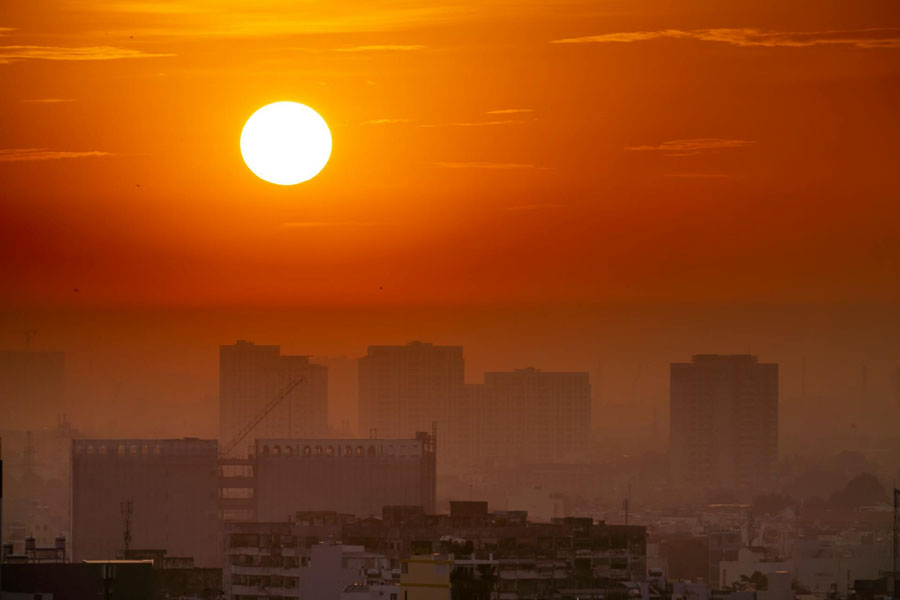
In the meanwhile, things were moving fast on the home front. In the post-Mussoorie period, I had constructed one bedroom, a kitchen, and a washroom on the first floor of our Rajapur house and had subsequently moved there. But during the summer months, the rooms became unbearably hot, and in the absence of an AC, it was difficult to live there. During the night, we slept on the floor, but mosquitoes and other insects troubled us a lot. Moreover, Tipu and Khurram were growing and they needed more space. One option was to get a house allotted in the University housing society, but in spite of serving the University for more than twenty years and repeated requests for allotment of a house, the University authorities didn’t oblige due to reasons best known to them. We therefore decided to rent a house in an area close to Rajapur with the consent of my mother. As luck would have it, we got a suitable apartment with two bedrooms, a living room, two washrooms, a lobby, and a kitchen on the nearby Minto Road and shifted there in early 1996.
The Path to a Permanent Home
Since it wasn’t possible to live in a rented house for long, I also made up my mind to buy a piece of land and build a house of our own. After searching for a suitable place, I ultimately bought a freehold plot of two hundred square yards with my savings from my Oxford days in Ashok Nagar, which was within walking distance of Bhaiya’s house on Hastings Road. Jalis Bhai, Nafis Bhai’s younger brother, who was posted as a sub-divisional magistrate in Allahabad, helped me a lot in buying the plot.
But getting the map of the proposed house from the Allahabad Development Authority (ADA) proved to be a hard nut to crack. After repeated visits to its office, and again with the help of Jalis Bhai, this problem was also resolved. Only a few months earlier, Muhammad Ahmed Bhai had been posted as the Vice Chairman of the ADA, and had he still been there, getting the map passed would have been a cakewalk for me, but that was not to be. With the blessings of my revered mother, the construction of the house began in December 1996. The foundation stone of the house was laid very gracefully by Bhaiya and a local saintly person known to us, Dr. Salahuddin Saheb.
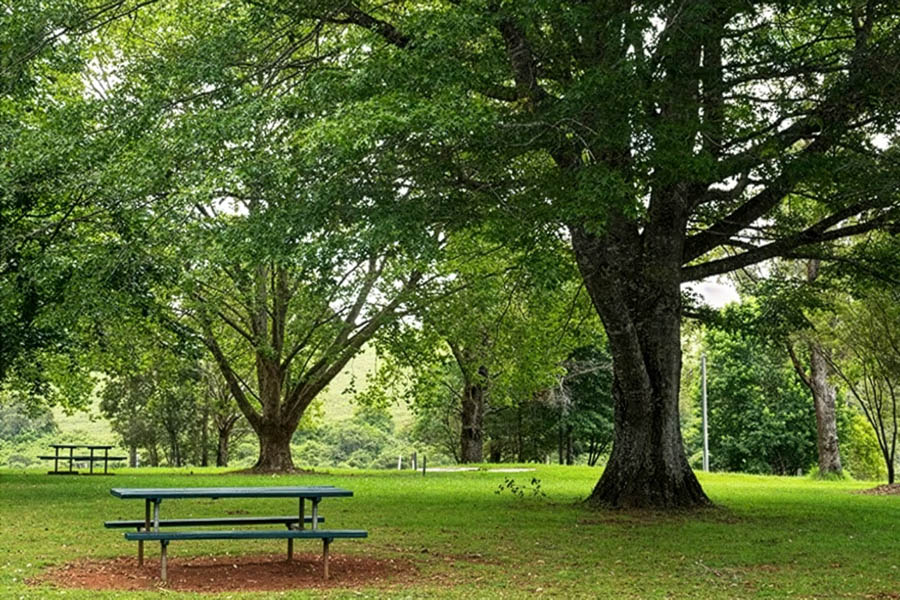
I also hired a retired junior engineer to supervise the house construction. I exhausted all my savings and had to resort to taking loans from the University and family members. Muhammad Bhai was gracious enough to lend me a substantial amount of money. Azhar Bhai and Munna Bhai’s friend, Rashid Bhai, also extended a helping hand by giving me a loan of 100,000 rupees each. By the grace of Allah, the construction of the house was completed in six months with two bedrooms, two washrooms, a living room, a lobby, a storeroom, and a kitchen, and we moved into our house in June 1997. Since then, we have been living in this house. After the construction of the house, I repaid the loan that I had taken from Azhar Bhai and Rashid Bhai within six months, but Muhammad Ahmed Bhai refused to take back the amount that he had given me. After my repeated requests, he agreed to take back only one-third of the amount and wrote off the rest. For this kindness and affection, I shall always remain grateful to my dear brother. The upper floor of the house, with two bedrooms, a study room, and two washrooms, was added in 2005.
Leading the Department
In January 2001, Professor Rekha Joshi superannuated and, according to a University notification, being the senior-most Professor of the department, I took over as the Head of the department on the day she retired from service. In a meeting of the staff of the department, I personally acknowledged the contribution of Madam Joshi to the advancement of the department during her tenure and spoke in glowing terms of her qualities of head and heart. According to the University rules, she was to continue teaching in the department until the end of the academic year in June 2001. I requested her to continue to guide us and encourage us as long as she continued to serve the department. It was indeed painful to part with her, but this moment comes in the life of every teacher, and the rest of us have to respect this reality.
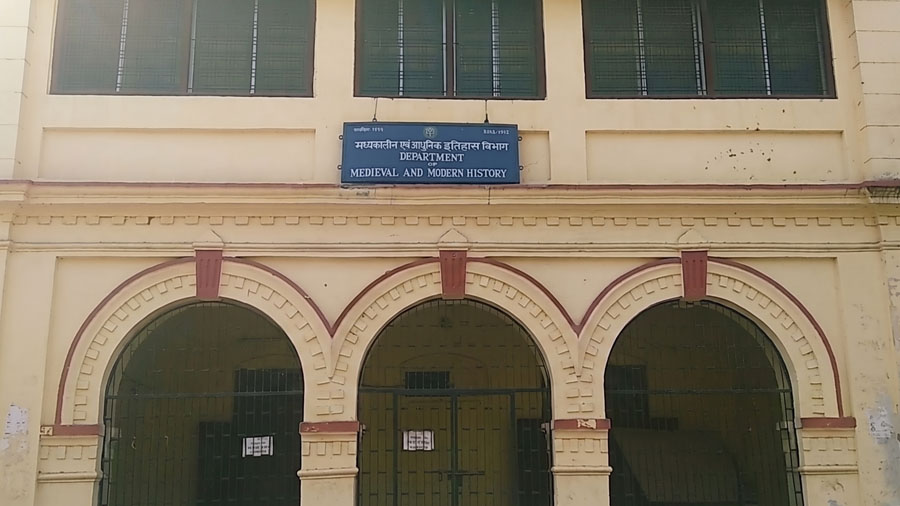
For me, it was a dream come true and indeed a matter of great pride and privilege to head a department where my revered father, my maternal uncle, and my two elder brothers had once studied. I was equally proud to sit on a chair on which such stalwarts as Professors Rushbrook Williams, Sir Shafaat Ahmed Khan, R.P. Tripathi, B.P. Saxena, and many of my own teachers had successfully graced. I took a vow to follow in their illustrious footsteps and work hard to take the department to further heights.
In another meeting of the staff, I expressed my sincere hope that my colleagues would cooperate with me in my endeavors for the academic environment in the department. I impressed upon them to take their classes regularly, since as teachers, our first commitment was toward our students. I also proposed to hold a meeting of research scholars of the department at least twice a month at 2 p.m., after the regular classes in the department were over, in which two research scholars would present the progress of their research on a voluntary basis. The idea was welcomed by most of my colleagues, but the research scholars wholeheartedly welcomed and enjoyed the idea as it gave them a platform to share their problems and air their grievances. The meetings were started in the last week of January 2001 and continued until the conclusion of my term as head of the department in 2008. According to the new ordinances of the University after it became a central University in 2005, the tenure of the head of the department was limited to two years only.
Leaving a Lasting Legacy
With the consent of my colleagues, I also decided to convert a large piece of land into a park, which had been lying as wasteland on the western side of the department’s building. The idea was to not only beautify the landscape of the department but also to make available a space for the students to sit and enjoy the surroundings. I requested my colleagues and the stipendiary research scholars to contribute generously to make this venture a success.
With the help of colleagues and research scholars, we started this project in earnest. I also requested the garden superintendent of the University to lend a helping hand in this task. The land was cleared of its bushes and thorns with the help of several laborers, and four trucks of fresh earth were used to plant and grow fresh grass on the land. I also persuaded the Vice-Chancellor to sanction sufficient funds for erecting a boundary wall and a gate around the proposed park. A large number of flower plants, especially roses of every shade and variety, were also planted. After about six months of hard work, the park was ready. We decided to name it the “Professor R.P. Tripathi Memorial Park,” and it was formally inaugurated by the Vice-Chancellor.
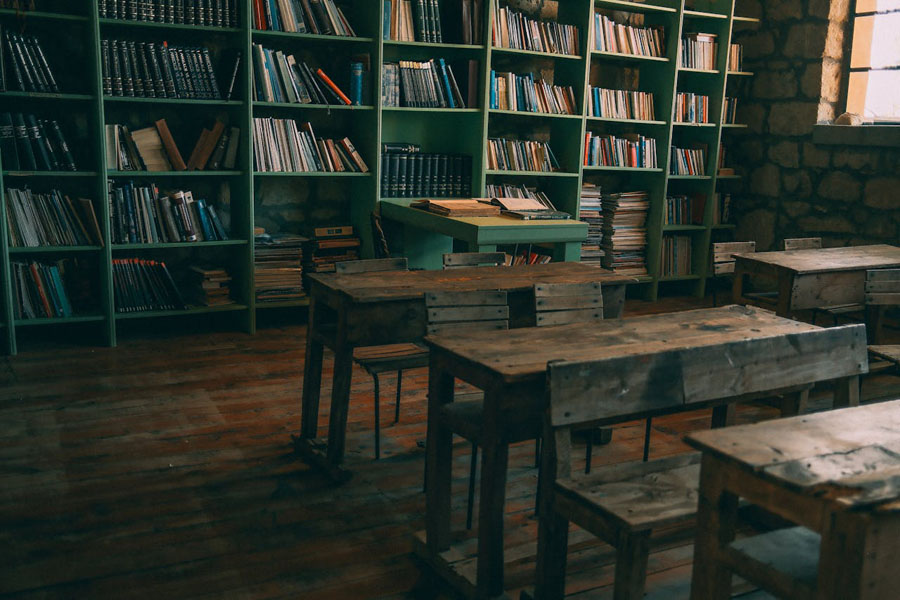
I also decided to improve the condition of the departmental library, which had remained unused for a long time. There were a large number of books in the library, but the addition of new books on our subject was necessary to make it attractive for the students. With the consent of my colleagues, I decided to purchase the collection of books belonging to Professor Radhey Shyam and his father, Professor B.P. Saxena. Mrs. Radhey Shyam was gracious enough to give us these books for a sum of ten thousand rupees only. With the help of the University authorities, the library was refurbished with new tables and chairs. We decided to name it the “Professor Sir Shafaat Ahmed Khan Memorial Library,” and it started functioning in October 2002.
Looking back, these years were among the most defining of my life. From the joy of reuniting with my family to the immense responsibility of heading a department with such a rich legacy, I felt a deep sense of purpose. Building our home in Ashok Nagar gave us the stability we needed, while the improvements we made to the department ensured that future historians would have a beautiful and resourceful space to learn. As I settled into my role as Head, I knew the journey was far from over, but the foundations we laid were solid and meaningful.
To be continued…
One comment on “From the Backbenches to the Vice Chancellor’s Chair: My days at Allahabad University – Part 13”