

In the previous part of my story, I chronicled my return from the dreaming spires of Oxford to the familiar plains of Allahabad in October 1995. I recounted the deep fulfillment of stepping back into my teaching duties, the domestic milestone of building our permanent family home in Ashok Nagar, and the ultimate honor of assuming the mantle of leadership as the Head of the Department of Mediaeval and Modern History in 2001—the very department where my father, uncle, and elder brothers had once studied. This fourteenth installment details the expansion of our departmental infrastructure, major milestones in national and international scholarship, the professional growth of my sons, and a prestigious invitation that once again called me back to the United States.
Expanding Departmental Infrastructure
Upon taking over as the Head of the Department, I became deeply concerned regarding the lack of adequate space in the department to accommodate our large number of students. The department had more than 2,000 undergraduate and postgraduate students on its rolls. While we possessed two lecture theaters that could accommodate more than a hundred students each, the other rooms were smaller in size. Since most undergraduate sections had a large number of students, there was always a rush among the students to occupy their seats in these classrooms. We therefore urgently needed another lecture theater to resolve this problem.
I discussed this issue with my colleagues and the University Engineer. Together, we decided to dismantle the wall between rooms C and D to build a much larger room. During the winter vacations, this project was completed successfully, which resolved the problem of space in the department to a large extent.
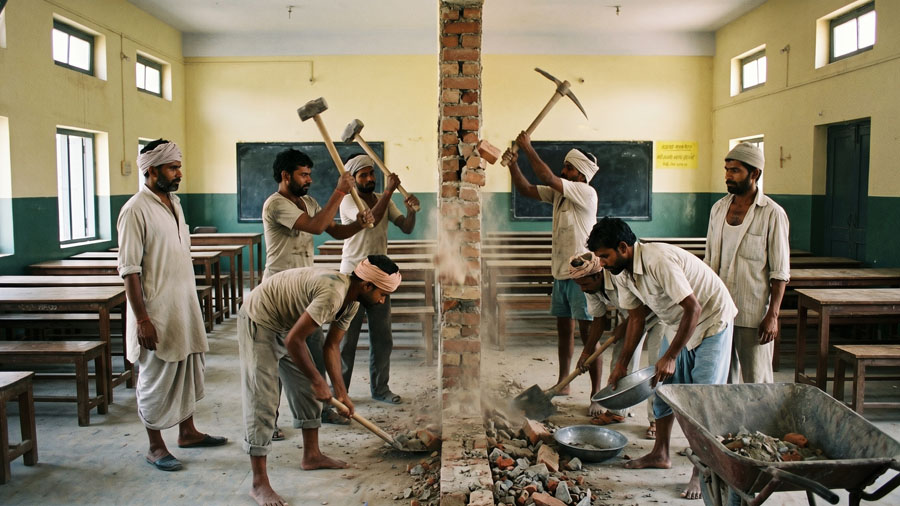
The department also lacked a conference room where important academic events could be organized. After consultation with my colleagues and the university authorities, it was decided to repeat our previous experiment on the first floor of the department, where several rooms were unoccupied. In the past, when the Political Science department held some of their undergraduate classes in our building, and two senior faculty members of that department occupied two rooms on our ground floor, the senior teachers of the History department had kept their offices in these rooms on the first floor. However, after the construction of a new building for the Political Science department, our senior teachers shifted back to the ground floor rooms.
We decided to dismantle the wall between two of these rooms on the first floor and convert the space into a conference room. We persuaded the university authorities to provide two large conference tables and a number of comfortable chairs, along with two air conditioners for the new space. This onerous task was also completed in due course, and the department finally had enough space to hold seminars and refresher courses in its own conference hall. I profusely thanked my colleagues and the university authorities for successfully completing our dream project.
Presiding Over the UP History Congress
In November 2002, the Xth session of the UP History Congress was held at the university. In the previous session of the Congress, held at Rohilkhand University in Bareilly, I had been elected as the General President of the Congress. It was indeed a great moment of pride for me to preside over the deliberations of the Congress, a position which in the past had been graced by distinguished historians like Professors K.A. Nizami and Irfan Habib, as well as my own teacher, Professor Radhey Shyam.
As Head of the Department, it was also my responsibility to organize this important event. This included making arrangements for the stay of the delegates coming from various universities across Uttar Pradesh, as well as looking after their other daily requirements during the three days that the Congress was to remain in session. Once again, my colleagues in the department came to my rescue, and every faculty member and research scholar happily accepted the responsibilities assigned to them.
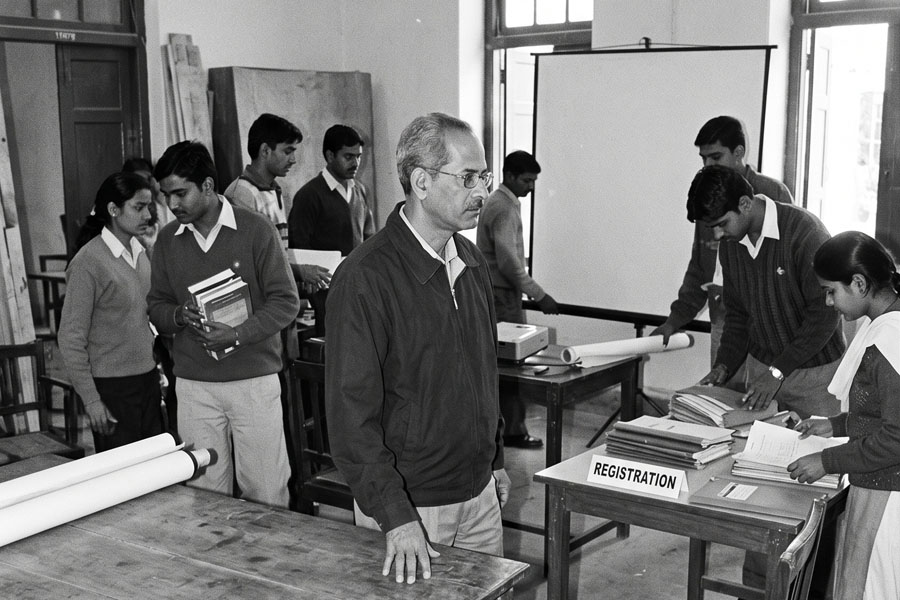
Arrangements for the stay of male delegates were made in the boys’ hostels of the university, while female delegates were accommodated in the girls’ hostel. A local tent house was given the contract to provide beds and other necessities to the delegates. Senior faculty members coming from outside Allahabad were asked to stay in the university guest house. The Indian Council of Historical Research (ICHR), New Delhi, gave the department a generous grant for holding the Congress, and the fees which the delegates contributed also helped us a great deal in financing the event.
As the General President of the Congress, I was required to write a Presidential Address. I worked hard on this project and wrote an address titled “Diplomacy and Diplomatic Procedure under the Mughals.” With the help of my student, Meraj uddin Ahmed, two hundred copies of the address were printed at a local press for distribution among the delegates. It goes without saying that I paid two thousand rupees from my own pocket to get these copies printed.
Since the department’s new conference room was still under construction at the time, the inaugural session of the Congress was held in the auditorium of the Science Faculty on the MCC campus. The Congress was inaugurated by the distinguished scholar of Ancient Indian History and Archaeology, Professor A.K. Narain. Professor Narain had previously taught me during my time at the University of Wisconsin-Madison, and it was indeed a privilege for me to present my Presidential Address in his august presence.
In the afternoon, Professor Om Prakash of the Ancient History department delivered the Professor Radhey Shyam Memorial Lecture on vital issues related to the writing of history. This memorial lecture had been instituted after his sad demise by Dr. S.N.R. Rizvi of Gorakhpur University, who was Professor Shyam’s favorite student and the founder General Secretary of the UP History Congress. In his presidential remarks, the senior-most professor of the university, Professor Janak Pandey, who had also attended the inaugural session, remarked that both the morning and afternoon addresses were of a very high standard and could be favorably compared with such addresses presented at Oxford and Cambridge Universities.
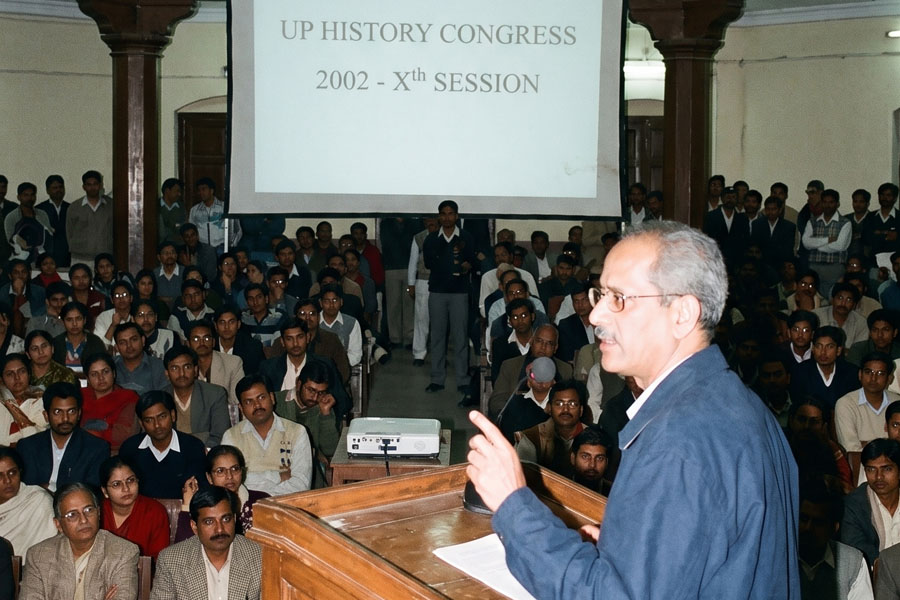
By the grace of God, the History Congress was held successfully, and the delegates returned to their respective universities happily. It goes without saying that without the wholehearted support of my colleagues and many research scholars, the Congress could not have been conducted so successfully, keeping the fair name of our alma mater intact. Incidentally, my Presidential Address was later published with the same title, though with some modifications, in one of the most prestigious international journals of Indian history, The Mediaeval History Journal, in its April 2004 issue.
Advisor to Foreign Students
In 2003, the Vice-Chancellor, Professor G.K. Mehta, called me to his office one morning to seek my consent to assume the responsibility of the Foreign Students Advisor of the university. He told me that since I had been a foreign student myself at the University of Wisconsin-Madison, I could genuinely appreciate the problems of international students and help them accomplish their objectives for joining the University of Allahabad. I accepted his offer, and a notification for the appointment was issued by the university that same day.
The primary responsibility of the Foreign Students Advisor was to facilitate the admission of international students coming to the university through the Indian Council for Cultural Relations (ICCR), Government of India, into their desired courses, while looking after their general welfare during their stay in Allahabad. Since there was no formal, separate office for the Foreign Students Advisor in the university at that time, I decided to use my own office in the department to meet with them. However, at my request, the university authorities provided some furniture befitting the office along with an office assistant to take care of the paperwork.
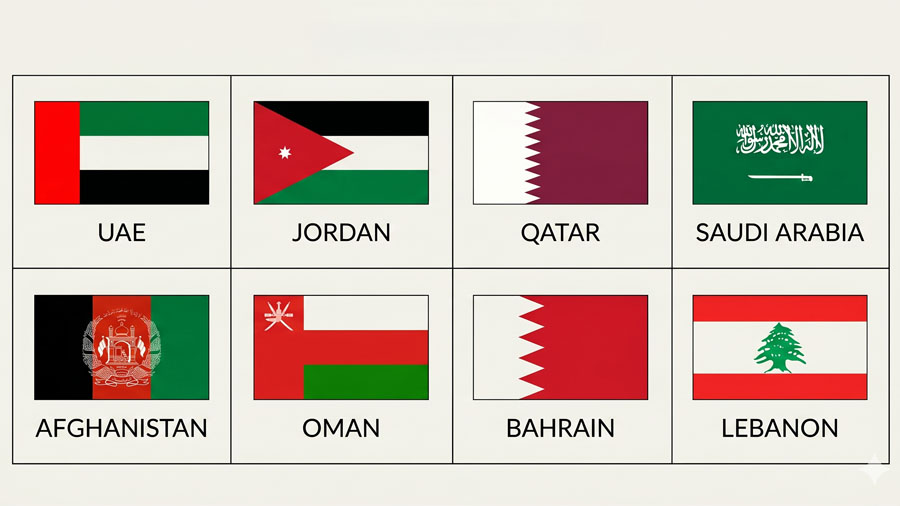
During the next two years that I held this office successfully, I met a host of students primarily from Middle Eastern countries and Afghanistan, for whom the Government of India had instituted a number of scholarships to study at Indian universities. In general, I found the foreign students, especially those from Palestine, to be very well-behaved and genuinely interested in earning their desired degrees at the university.
Supporting Colleagues in Career Advancement
In 2003, a selection committee was held for the promotion of teachers in the department to the rank of Professor under the Career Advancement Scheme. Drs. Rita Bahuguna Joshi, P.L. Vishwakarma, Heramb Chaturvedi, and Lalit Joshi appeared before the committee on the designated date. As Head of the Department, it was my pleasure to attend the meeting as a member.
Three experts from Calcutta, Rohtak, and Lucknow Universities posed several searching questions to all the applicants. A detailed, and at times heated, discussion between the members of the committee followed regarding the performance of each and every candidate to finalize their recommendations. I was ultimately able to persuade the experts and the Vice-Chancellor to promote all my colleagues to the post of Professor. As Head of the Department, I felt it was my responsibility to protect the interests of my colleagues, and I was deeply satisfied to carry out this responsibility to the best of my ability.
Presenting Research in Bikaner and Paris
The year 2003 also granted me opportunities to present my research papers at two international conferences held in Bikaner and Paris, respectively. The first conference, titled “The Political Role of Popular Islam in South Asia,” was held under the auspices of the Konrad Adenauer Foundation of Germany in Bikaner. My friend, Professor S.Z.H. Jafri of Delhi University, was coordinating the event. I was invited to present a paper on ‘Saiyid Ahmad of Rae Bareli: An Account of his Life and Thought and an Appraisal of his Impact on the Sufi Centres of Awadh and Eastern India.’
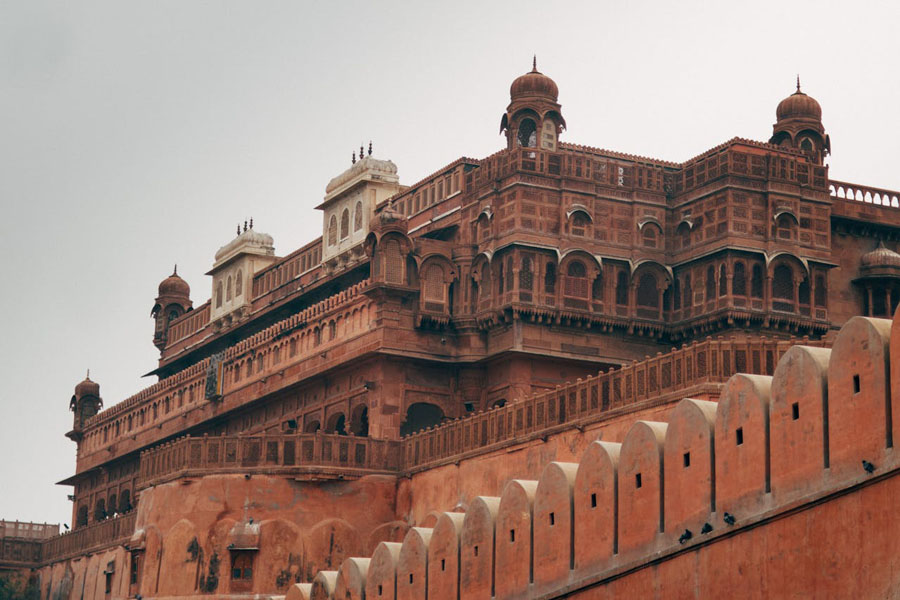
The conference was held in the palace-cum-hotel of the Maharaja of Bikaner, where arrangements for the stay of the delegates were also made. Scholars from both Indian and European universities participated in the conference. For three days, we thoroughly enjoyed the academic discussions on myriad issues of South Asian Islam, alongside the wonderful hospitality offered by our hosts and the hotel staff. The conference was a resounding success, and the papers presented were later published in a book form.
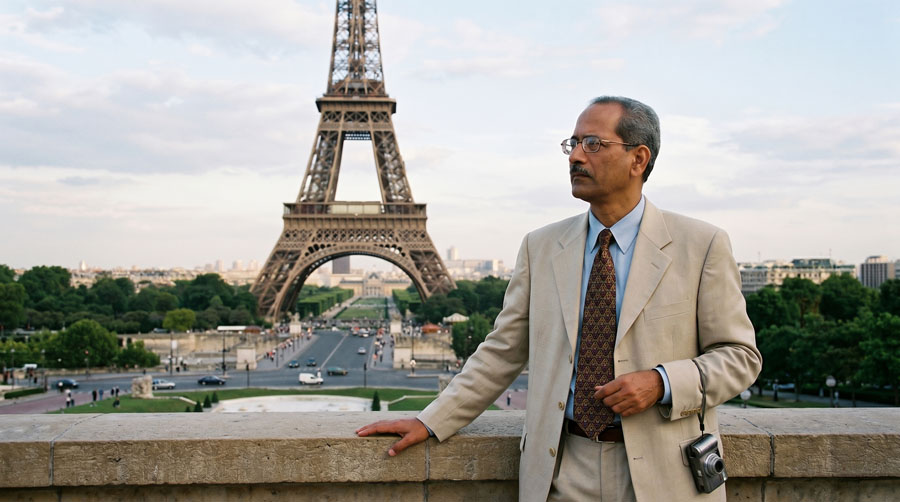
The second conference, titled “Past as Present: A Discourse on South Asia,” was held in Paris under the auspices of the Indian Council of Social Science Research (ICSSR), New Delhi, and the Maison des Sciences de l’Homme, Paris. My former student, Dr. Badri Narayan, who was at that time a fellow at the Maison des Sciences, was coordinating the conference on the Indian side. He took care of the visa and air travel formalities, and in October 2003, we departed for Paris.
Arrangements for our stay in Paris were made at a hotel by the host institute, while the deliberations of the conference were conducted in the institute’s main conference hall. I presented a paper titled ‘The Past as Instrument of Political Mobilization and Identity Formation: Indian Muslims’ Use of the Past in the Nineteenth Century,’ which, by the grace of Allah, was highly appreciated by the scholars present. The French scholar presiding over my session described it as a seminal paper. It goes without saying that I thoroughly enjoyed my three-day stay in Paris. We visited the famous historical places in the city, including the Eiffel Tower and the historic square where King Louis XVI was guillotined during the French Revolution of 1789.
Family Milestones
In the meantime, things were moving smoothly on the home front. In the year 2000, Khurram had passed his ISC examination and had taken admission into the B.A. program of the university, selecting English Language, Psychology, and Mediaeval History as his optional subjects. He developed a deep passion for Psychology and subsequently took admission into the M.A. Psychology program after clearing his B.A. examination in 2003.
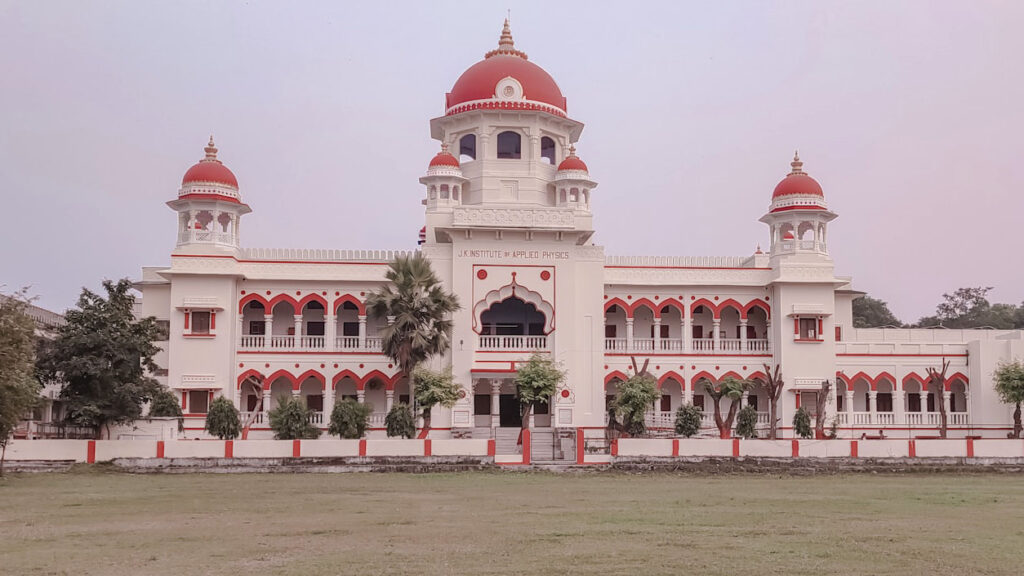
Tipu was also doing exceptionally well in his studies. He passed his B.Sc. examination with good marks in 1998, and subsequently gained admission to the M.Sc. in Computer Science, which was regarded as the most prestigious course run by the J.K. Institute of Applied Physics at the university. In 2000, Tipu passed his M.Sc. (Computer Science) examination with 75 percent marks. It was a moment of immense joy and pride for us, raising our hopes for Tipu’s bright future.
In a campus placement event, Tipu was initially hired by a reputed software company, but the recruitment of all the selected Allahabad University students was abruptly put on hold due to the dot-com recession of the early 2000s. Tipu therefore moved to Delhi in search of a suitable job. He lived with four of his friends in a rented apartment there and applied to different companies. He was eventually hired by HCL on the condition that he would have to work there for the first six months without any stipend. Although I provided financial support to him to make both ends meet, his struggle for survival continued for some time. To Tipu’s immense credit, he never made undue demands on me and worked tirelessly to fulfill his dreams.
After about a year, his initial struggle came to an end, and in 2001, he was hired by a Gurgaon-based multinational company, Sapient, as a software engineer on a handsome salary. He rented an apartment in Gurgaon and began his career with high hopes. We thanked Allah profusely for rewarding Tipu with a job of his liking, fully matching his qualifications and experience.
The Fulbright Visiting Expert Invitation
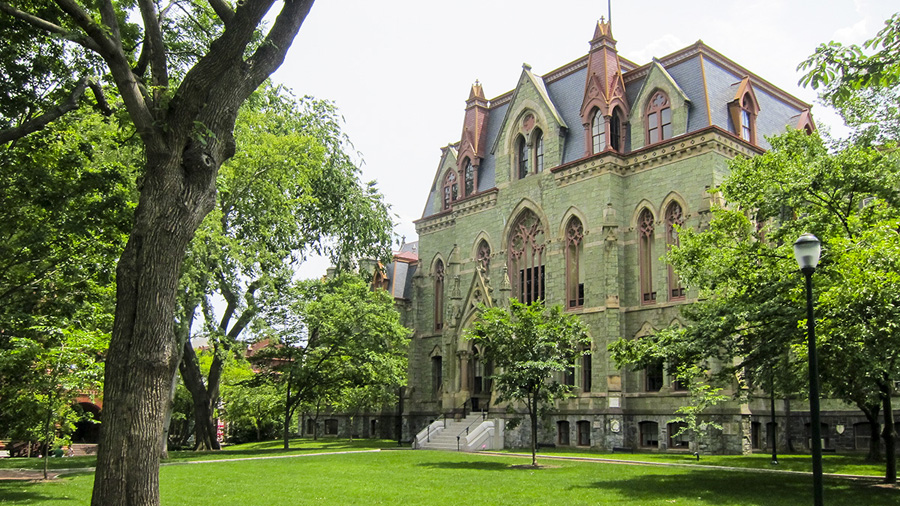
One fine morning in 2004, I received a letter from Dr. Richard Cohen, the Associate Director of the Center for South Asian Studies at the University of Pennsylvania – Pittsburgh, inviting me to deliver a series of lectures on South Asian Islam at Pittsburgh and other institutions of higher learning in the USA. The invitation was extended under the prestigious Fulbright Visiting Expert program, sponsored and funded by the Department of State of the Government of the United States. The program carried a handsome stipend of 300 dollars per day and involved a stay of at least forty days at Pittsburgh.
Although it meant leaving Nilofer and Khurram all alone in Allahabad once again, the invitation was highly prestigious, and Nilofer readily agreed to let me accept the offer. I soon received an official letter from the State Department of the US government confirming the invitation and advising me to submit my passport to the office of the United States Educational Foundation in India (USEFI) in New Delhi to complete the visa formalities. I applied for 45 days of Earned Leave to avail of this opportunity. In due course, the university approved my leave application, and I began to prepare for my departure to Pittsburgh.
In October 2004, I finally departed by the night train for Delhi. Tipu came to receive me at the railway station. I stayed for the day at his apartment in Gurgaon and left for Pittsburgh that night via a KLM flight.
This period marked a deeply rewarding phase of consolidation and expansion, where the administrative growth of the department went hand in hand with my own family’s milestones. Watching my sons step into their respective professional and academic futures brought immense peace, while serving my colleagues and representing my alma mater on international stages in Paris and Bikaner validated decades of labor. As I boarded the flight to Pittsburgh under the banner of the Fulbright program, I felt a familiar sense of academic adventure returning, ready to share the history of South Asian Islam with a global audience while carrying the legacy of Allahabad with me.
To be continued…
One comment on “From the Backbenches to the Vice Chancellor’s Chair: My days at Allahabad University – Part 14”