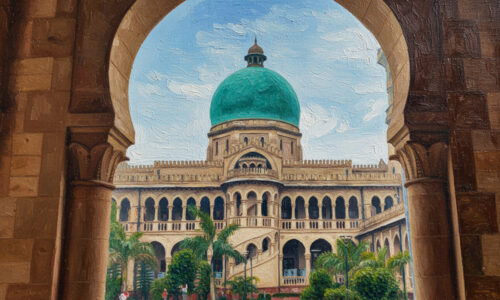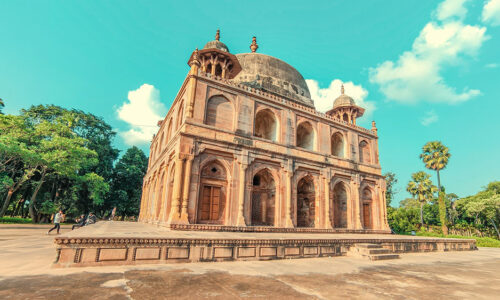
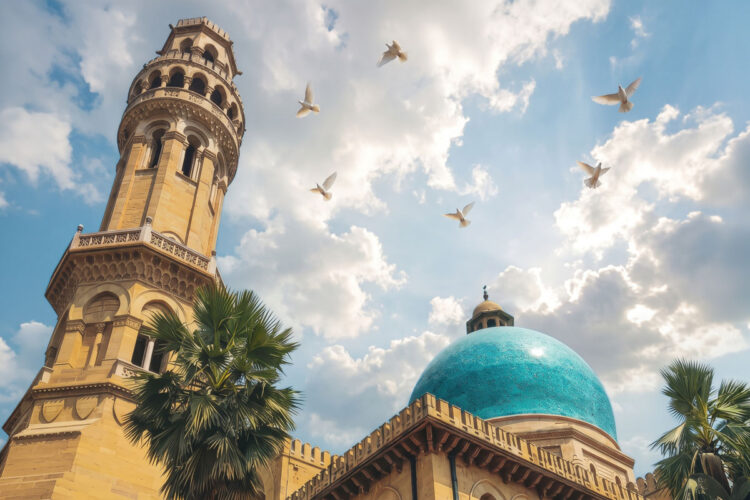
In the eighteenth part of my memoir, I recounted my tenure as Dean of the Faculty of Arts, beginning with the much-needed modernization of the Dean’s office and conference facilities. I also looked back on organizing the national seminar commemorating the 150th anniversary of the 1857 uprising, instituting a transparent, merit-based system for doctoral admissions, and stepping down after eight memorable years as Head of the History Department under the university’s new two-year rotational tenure. As the academic year drew toward 2009 and 2010, institutional duties continued to evolve, paving the way for national academic honors, new administrative responsibilities, and an unexpected elevation to the highest office of Allahabad University.
The 2009 Alumni Meet and a Milestone Library Grant
In 2009, the University decided to organize an Alumni Week to highlight its achievements in recent years. Another major purpose of the event was to invite former students of the University and urge them to contribute to the proposed corpus fund for the University’s future developmental and research activities. Several serving and retired senior civil servants, politicians, and achievers in social and cultural fields were invited to attend the meet.
It was proposed to hold an inaugural function followed by an alumni dinner in the evening. All faculty members were requested to donate at least one thousand rupees each for the alumni dinner and other functions. Each donor was presented with a few gifts, including a wall clock depicting the historic main building of the University. The Deans of all faculties were advised to organize seminars and symposia on the merits and demerits of the higher education system in India. As Dean, Faculty of Arts, I organized two seminars on the subject and invited distinguished speakers from all walks of life to address the students and faculty members. The travel and lodging expenses incurred by the speakers coming from outside Allahabad were borne by the University.
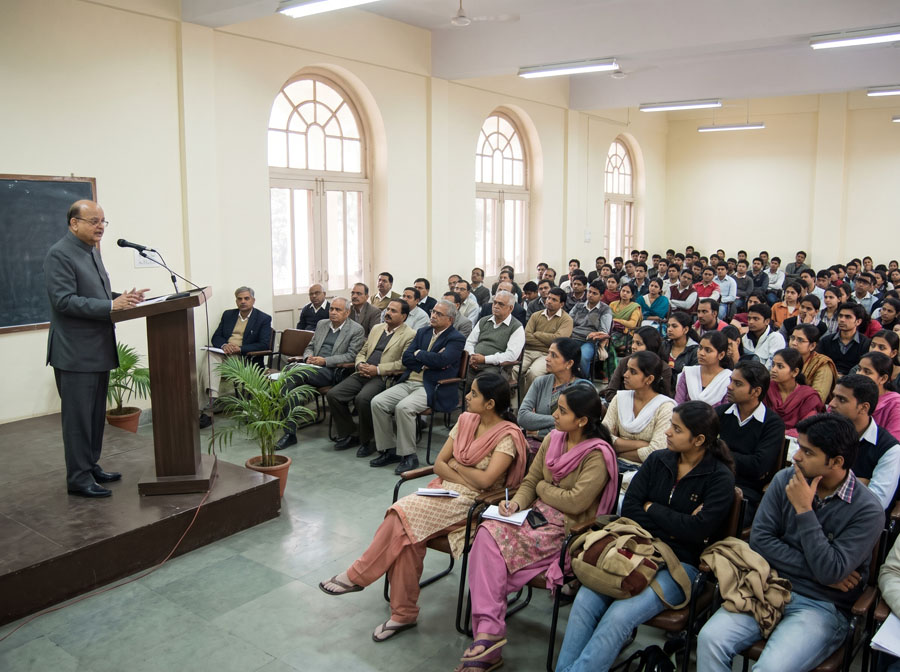
The inaugural function of the event was held in the historic Senate Hall of the University, graced by the late Mr. Arjun Singh, a proud former student and then Union Minister of Human Resource Development in the Government of India. A large number of former and serving civil servants, sports personalities, and politicians—including a former Chief Minister of Delhi—attended the function. In his inaugural speech, Mr. Arjun Singh warmly recalled his student days at the University, spoke affectionately about the teachers who had impressed him most as a young student, and advised current faculty members and students to work tirelessly for the betterment of their alma mater and help restore it as the true “Oxford of the East.” He also announced a major development grant of one hundred million rupees for upgrading the University Library with new books and state-of-the-art equipment. All the events of the Alumni Week were conducted in a congenial environment, with alumni reminiscing nostalgically about the golden days they had spent on campus.
Resolving Departmental Promotions
In 2009, a selection committee was convened for the promotion of teachers in our department under the Career Advancement Scheme (CAS). Professor V.C. Pande, the Head of the Department, was not satisfied with the procedural aspects of holding the selection committee, so he declined to attend the meeting. The Vice-Chancellor then requested me to participate in the selection committee in my dual capacity as the senior-most professor in the department and Dean, Faculty of Arts.
I discussed the matter candidly with Professor Pande and suggested that, in the larger interest of our junior colleagues, he should attend. While he remained unwilling to participate himself, he graciously stated that he had no objection to my attending the meeting in view of the Vice-Chancellor’s directive.
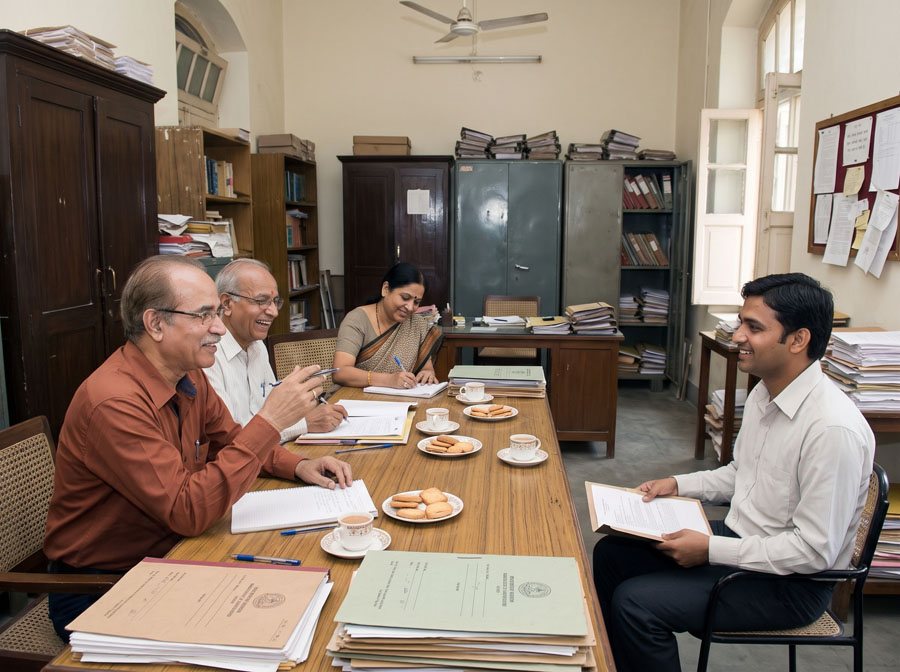
The selection committee eventually met on the scheduled date. Professor S.N. Sinha of Jamia Millia Islamia and Professor K.P. Misra of Gorakhpur University attended as external subject experts. The interviews were largely a formality, as no adversarial or searching questions were posed to the candidates. At the conclusion of the proceedings, Dr. Yogeshwar Tiwari, Dr. Sanjay Shrivastava, and Dr. Alok Prasad were recommended for promotion as Professor, Associate Professor, and Senior Lecturer, respectively. Needless to say, the matter was resolved amicably and brought relief to the department.
Presidential Election of the Indian History Congress
Shortly after the conclusion of the selection committee, I received an official letter from the Secretary of the Indian History Congress—the premier organization of professional historians in India. The letter conveyed that the Executive Committee of the Congress, in its 69th session held in November 2009, had elected me President of the Medieval Indian History Section for the upcoming 70th session, scheduled to be held in May 2010 in New Delhi.
It was indeed a rare honor and a major milestone in my academic life, as presiding over a section of the Indian History Congress is a cherished dream for any practitioner of the historian’s craft in India. It was also a personal triumph and a matter of institutional pride, as a faculty member of our department was bestowed this distinction after a gap of nearly twenty-five years, when my esteemed teacher, Professor Radhey Shyam, had served as Sectional President in 1985.
To add to our collective joy, the Congress had simultaneously elected our Vice-Chancellor, Professor Rajen Harshe, as President of the Non-Indian History Section for the same 70th session. It was perhaps the first time in the history of the Congress that two scholars from the same university were elected simultaneously to preside over two of its four major sections. All the major national newspapers reported the news prominently in their regional editions.
Drafting the Presidential Address on Ottoman Archives
The Secretary of the Congress had advised me to submit an electronic copy of my presidential address positively by the first week of March 2010, leaving me with barely four months to research and write the manuscript. Needless to say, I had to put in extra hours and rigorous effort to meet the deadline.
I chose to focus my address on the rare Ottoman state documents preserved in the Prime Ministry Archives (Başbakanlık Osmanlı Arşivi) in Istanbul. Working day and night, I produced a detailed, forty-page monograph titled “Discovering New Sources of Medieval Indian History: Ottoman Documents on India.” In the address, I provided an exhaustive catalogue of the primary Turkish records relevant to medieval Indian history that I had unearthed during my archival research in Istanbul. I also included a comprehensive historical commentary on two significant imperial farmans, situating them within their broader sixteenth-century geopolitical context.
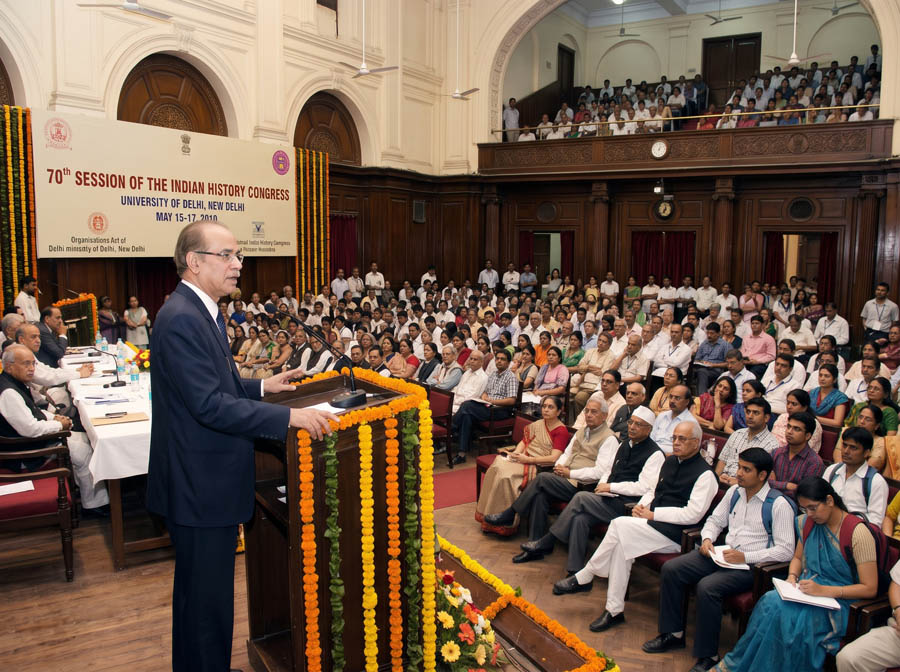
Furthermore, I made an earnest appeal to fellow historians to accord Ottoman history its rightful place in Indian historical scholarship. I pointed out how surprising it was that the history of an empire spanning three continents—Asia, Africa, and Europe—found practically no place in the history curricula of most Indian universities. I argued that European history itself cannot be fully understood without studying one of the largest and most powerful empires of the sixteenth and seventeenth centuries. I concluded my address with the hope that Indian scholars would henceforth recognize the indispensable value of Ottoman documentation in illuminating many overlooked facets of medieval India.
The 70th session of the Congress was hosted by the University of Delhi, with my esteemed friend, the late lamented Professor S.Z.H. Jafri—then Head of the Department of History—serving as the Local Secretary. He made excellent arrangements for our accommodation in the University Guest House. At least one thousand printed copies of my address were published by the Indian History Congress and distributed among the audience, which included many of India’s most eminent historians, as I rose to deliver my presentation in the main lecture hall.
By the grace of Allah, the address was received with widespread appreciation and critical acclaim, and several colleagues came forward to congratulate me warmly afterward. Over the next two days, I presided over the academic deliberations of the Medieval India section, during which a large number of scholars, including the doyen of Indian historians, Professor Irfan Habib, presented their research papers. The Congress concluded as a grand success, and I returned to Allahabad academically fulfilled.
Taking Charge as the First Dean of Research and Development
In July 2010, my three-year tenure as Dean, Faculty of Arts, drew to a close. I handed over charge of the office to the incoming Dean, Professor M.P. Dubey of the Political Science Department. Around August of that year, strong rumors circulated across campus regarding my impending appointment as Pro Vice-Chancellor. The Registrar even mentioned to me that an office for the Pro Vice-Chancellor was being prepared on the first floor of the Senate House. That particular appointment did not materialize; however, the Executive Council, acting on the recommendation of the Vice-Chancellor, appointed me as Dean, Research and Development, for a term of three years in August 2010.
I was the very first person to hold this office, as the post had been newly created under the provisions of the new Ordinances of the Central University of Allahabad. The Dean, Research and Development, was tasked with coordinating all academic research and sponsored projects across the university, and all institutional files concerning research grants passed through this office.
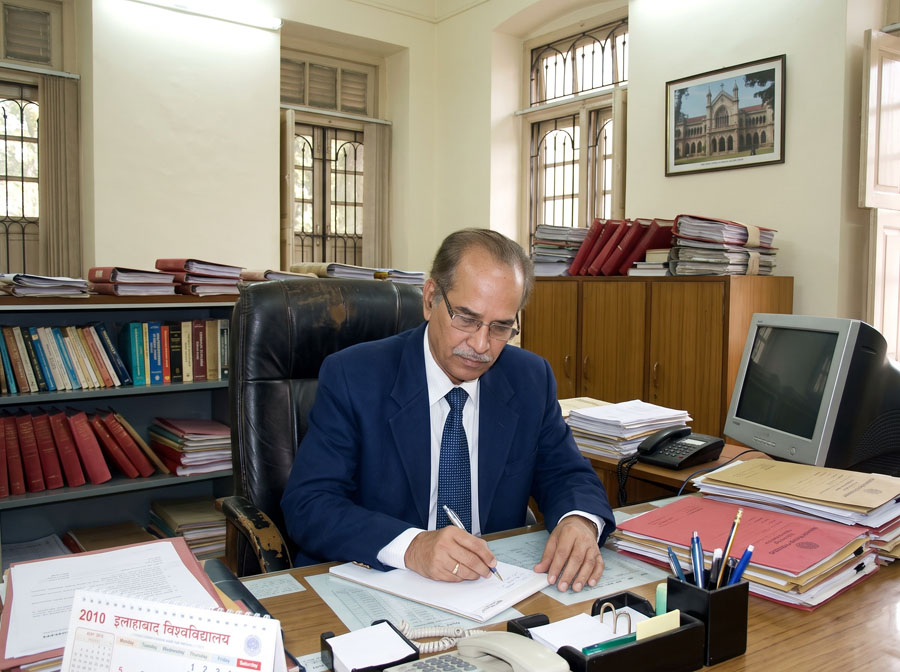
My new chamber was furnished with elegant furniture and a desktop computer; in all probability, it was the very room on the first floor of the Senate House that had initially been renovated for the Pro Vice-Chancellor. At my request, the Registrar appointed Mr. Muhammad Abbas—who had worked closely with me during my tenure as Dean, Colleges Development Council—as the Office Superintendent. I assumed charge the following morning, determined to discharge my new responsibilities with diligence.
My daily routine involved teaching all my scheduled classes in the History department each morning and then proceeding to the R&D office by 1:00 p.m. Although the administrative workload was heavy, with the dependable assistance of Mr. Abbas, I managed the day-to-day responsibilities smoothly—holding regular consultations with various academic heads and meeting research scholars who came seeking guidance on institutional issues.
Departmental Friction and Quiet Relocation
In August 2010, Professor V.C. Pande’s successful two-year tenure as Head of the Department came to an end, and the next colleague in order of seniority, Professor Sushil Srivastava, took charge. With Professor Pande’s consent, I had continued to occupy the large office designated for the Head of the Department throughout his tenure.
Professor Sushil Srivastava wished to move into that chamber, but instead of asking me directly, he sent indirect feelers through other colleagues. Rather than allowing room for petty unpleasantness, I immediately decided to shift back to the room I had previously used as the Foreign Students’ Advisor, situated at the western end of the departmental corridor. That room was adequately furnished, though it lacked an attached washroom. With the help of the departmental non-teaching staff, I moved my personal library, research files, and computer, settling in peacefully.
I requested the University Engineer to construct an attached washroom for the chamber, which was promptly approved by the Vice-Chancellor and completed within a few weeks. Shortly thereafter, the university administration sanctioned air conditioners for the departmental offices of all working Deans, including an allotment for my room as Dean, Research and Development.
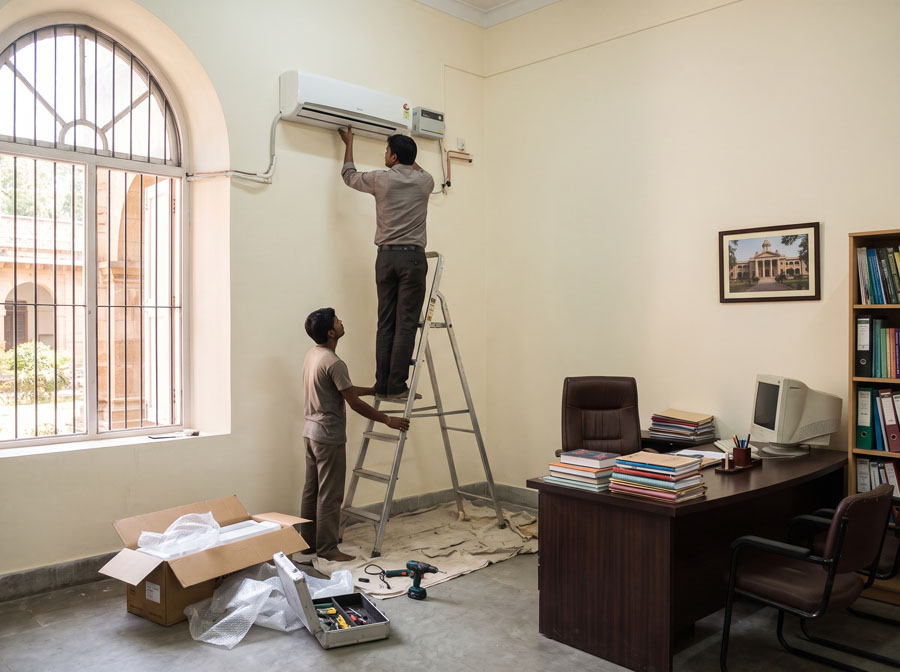
On the day the engineering staff arrived to install the air conditioner, I happened to be out of station. Taking advantage of my absence, the Head of the Department insisted that the allotted unit be installed in the Head’s chamber instead, and the technical staff complied with his demand. Upon returning to Allahabad and learning of the incident, I brought it to the attention of the Vice-Chancellor. Professor Harshe expressed dismay at this unseemly behavior and immediately sanctioned another air conditioner for my office, which was installed shortly afterward.
I continued to teach my classes regularly and attended the monthly meetings of the Departmental Staff Council. However, to maintain a cordial and dignified working atmosphere, I chose to spend as little time as possible in the department, preferring to carry out my administrative and scholarly work from the office of the Dean, Research and Development.
Farewell to Professor Rajen Harshe
In October 2010, Professor Rajen Harshe’s five-year term as Vice-Chancellor came to an end. Given his remarkable contributions toward establishing Allahabad as a Central University, we were all hoping that the government would grant him an extension. As an erudite scholar, an upright administrator, and a courteous gentleman, he thoroughly deserved a second term.
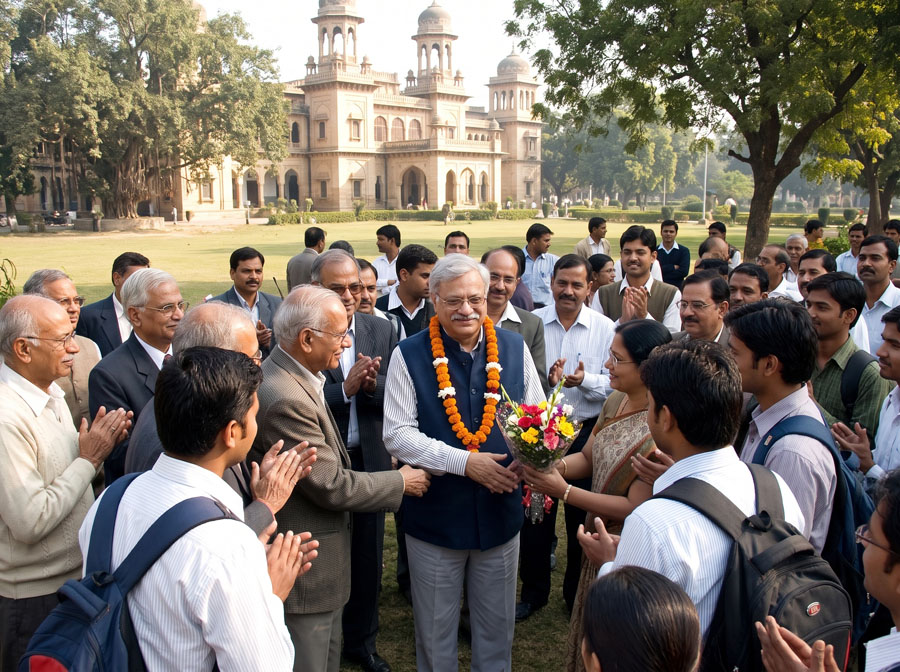
The Central Government, however, chose otherwise, directing the university to hand over temporary charge to the senior-most professor until a regular Vice-Chancellor was formally selected. It was painful to bid farewell to Professor Harshe, who had treated me with immense warmth and respect throughout his tenure. I visited his residence personally to pay my regards and wish him well in his future academic endeavors; we have remained in touch ever since, exchanging calls over the years. A formal farewell gathering was hosted at the University Guest House to see him off. In his valedictory address, Professor Harshe expressed deep gratitude to the faculty for their cooperation and shared his regret over the discourteous conduct of a few colleagues on certain occasions.
Stepping into the Vice-Chancellor’s Office
On October 12, 2010, the senior-most professor in the university, Professor K.G. Srivastava of the English Department, assumed officiating charge of the Vice-Chancellor’s office. His tenure was brief and uneventful, as he was due to superannuate a month later, on November 12, 2010.
Because the search committee for a regular Vice-Chancellor had not yet concluded its work, the Ministry of Human Resource Development directed the university to transfer charge to the next senior-most professor. As the next in order of institutional seniority, I was officially notified by the Registrar to present myself at the Vice-Chancellor’s secretariat on November 13, 2010, to assume charge.
Just a few days before the scheduled date, I suffered an unfortunate mishap: I slipped in the washroom and sustained a hairline fracture in my right ankle. The orthopedic doctor immobilized my leg in a heavy plaster cast and advised strict rest, scheduling a follow-up X-ray after four weeks.
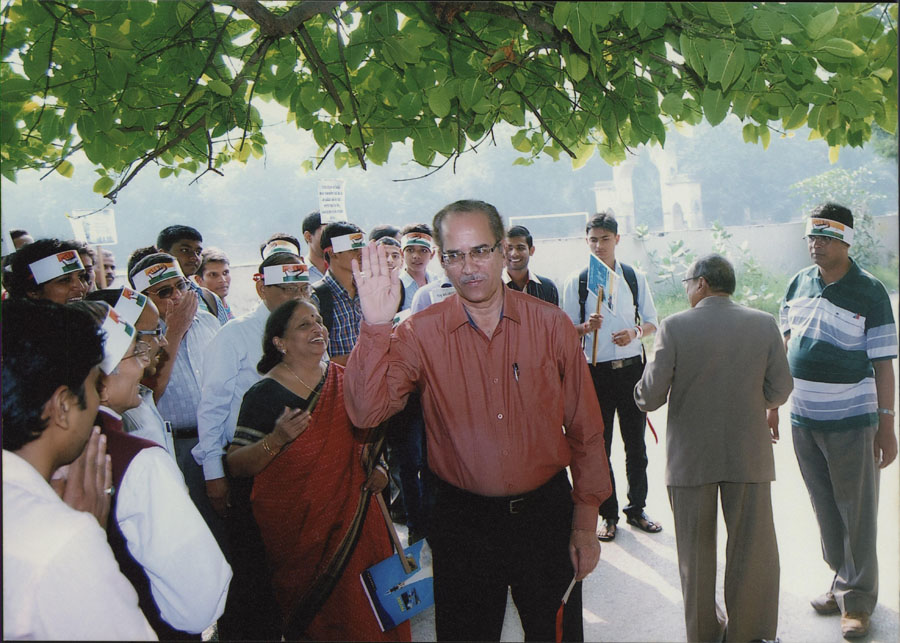
Despite the physical handicap, I formally assumed charge as the Vice-Chancellor of the University of Allahabad on November 13, 2010. It was an overwhelming and deeply humbling moment to occupy an office once adorned by legendary luminaries like Sir John Edge, Mahamahopadhyaya Sir Ganganath Jha, and Dr. Amarnath Jha. For someone who had entered the portals of this institution decades earlier as a shy, hesitant, and obscure undergraduate student, stepping into the Vice-Chancellor’s chamber felt surreal.
By the grace of Allah and the blessings of my parents and family elders, I had reached a pinnacle I could never have envisioned in my youth. Leading the storied “Oxford of the East,” where my revered father, my brothers, and several relatives had studied, filled me with profound gratitude and renewed strength. I could not help but reflect on how proud my parents would have felt had they lived to witness this day, though I felt certain their prayers and blessings were watching over me from their heavenly abode. Nilofer, Tipu, Khurram, and my entire extended family shared warmly in this singular milestone.
The administrative challenges awaiting me were manifold and complex, but I was confident that with the good wishes of colleagues and well-wishers, I would find the courage and fortitude to steer the university with honor.
Sitting behind the Vice-Chancellor’s desk with my leg in a plaster cast was both a physical trial and a profound lesson in humility. The administrative machinery of a central university does not pause for personal ailments, and within hours of taking charge, files, representations, and pressing institutional matters began landing before me. Navigating the delicate balance between academic standards, student aspirations, and campus politics would test every ounce of experience I had gathered over thirty-five years of university life.