
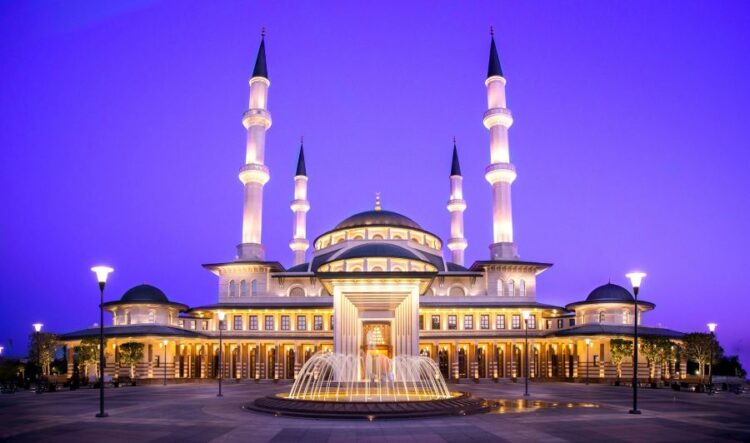
In the previous part of my memoir, I recounted my fulfilling journey as a Fulbright Visiting Expert at the University of Pittsburgh, delivering lectures on South Asian Islam across institutions in Pennsylvania and reconnecting with dear family and friends. Yet, the professional satisfaction of that tour was quickly overshadowed upon my return by the deepest sorrow of my life: the passing of my revered mother in Lucknow on May 21, 2004. This sixteenth installment details our return to Allahabad under the shadow of that irreplaceable loss, how immersing myself in scholarship helped me cope, an official academic mission to Turkey, the historic conversion of Allahabad University into a Central University, and a landmark national workshop commemorating the Emperor Akbar.
Returning to Allahabad in Grief
The next day, we returned to Allahabad with tearful eyes and a heavy heart. The passing of my mother created a void in our lives that has remained unfulfilled even today. It is said that time is a great healer, but her memory is still alive and fresh in our hearts even after the passage of more than two decades. May Allah increase her rank in paradise.
I tried to keep myself busy with my academic and administrative responsibilities in the History department in order to mitigate the deep sorrow and melancholy that had engulfed me after her demise. In September 2004, an opportunity arose that allowed me to immerse myself in a significant academic project for a few weeks. I was invited by the Indian Council of Historical Research (ICHR), New Delhi, to participate and present a paper at an international conference on Indo-Turkish Relations in Ankara, Turkey, scheduled for the last week of October. The conference was organized under the joint auspices of the governments of India and Turkey. I worked hard to write a comprehensive paper on Mughal–Ottoman Relations in the Eighteenth Century.
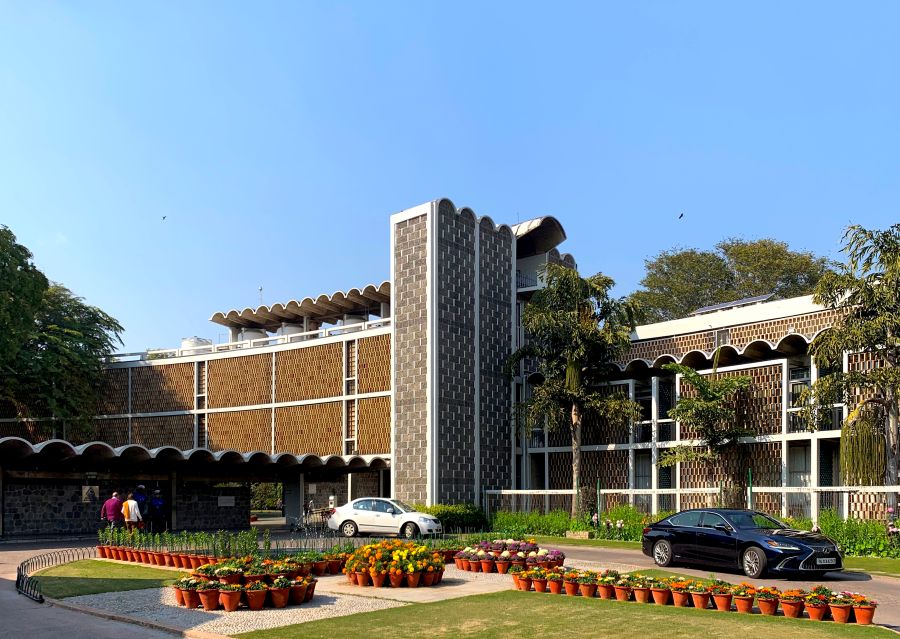
I reached New Delhi on the appointed date and stayed at the India International Centre, where the ICHR had arranged my accommodation for the day. After breakfast the next morning, I went to meet Professor Sabyasachi Bhattacharya, the Chairman of the ICHR. In his office, I met the other members of the Indian delegation, which included Professor Ahsan Raza Khan of Simla University, Professor Akhtarul Wasey of Jamia Millia Islamia University, New Delhi, and Mr. Shariq Ahmad, Assistant Director of the ICHR. We were informed that another member of the delegation, Professor Mukherjee of Jadavpur University, would join us directly in Ankara. The Chairman briefed us on the importance of the conference for strengthening India’s overall relations with Turkey.
An Academic Mission to Ankara
The next day, we boarded our flight to Ankara, landing first in Dubai, where we had a layover before catching our night connection. Although none of us had an entry visa for Dubai, we were permitted to exit the airport thanks to the courtesy of the Indian embassy staff in Dubai, who arrived at the airport to receive us as members of an official Indian delegation. The embassy staff arranged our hotel stay, which we paid for using the daily stipend sanctioned for delegates by the Government of India. After resting for a while in my room, I stepped out to survey the local market within walking distance of the hotel. I was pleasantly surprised to find that most of the shopkeepers were of either Indian or Pakistani origin and spoke fluent Hindi and Urdu. I bought some gifts for Nilofer, Tipu, and Khurram, and returned safely to the hotel.
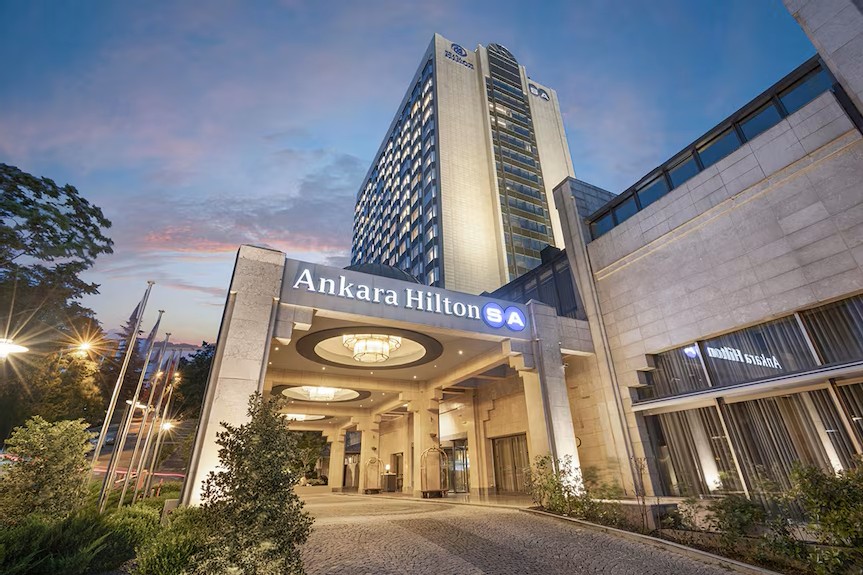
In the evening, we caught our flight to Ankara, arriving late that night after a brief stopover at Istanbul airport. The staff of the Indian Embassy in Ankara received us warmly and lodged us at the Ankara Hilton Hotel. This was my first, and quite possibly my last, experience staying in a five-star luxury hotel.
The next morning, we arrived at the conference venue, where the Indian Ambassador to Turkey met us and briefed us on the diplomatic and cultural significance of the gathering. The conference opened with a welcome address by the Chairman of the Turkish Historical Society (Türk Tarih Kurumu), Ankara, who served as the official host. Many leading Turkish historians were in attendance. The leader of our delegation, Professor Ahsan Raza Khan, also addressed the delegates. An official translator was present throughout the proceedings to translate speeches and papers from Turkish to English and vice versa.
I presented my paper during the very first session the following day. By the grace of Allah, my presentation was received exceptionally well, and many Turkish historians expressed genuine surprise and appreciation at the primary Ottoman archival sources I had utilized and cited. A senior professor from Istanbul University was kind enough to invite me to join the editorial board of a historical journal published by her university, an offer I readily accepted. The conference continued for three fruitful days, received extensive coverage in the Turkish press, and proved to be a grand success. The organizers resolved to hold similar bilateral conferences annually, alternating between India and Turkey. Throughout our stay, the embassy staff looked after us with utmost care; our liaison officer, Mr. A.M. Gondane, the First Secretary of the Embassy, was exceedingly kind and courteous, and we became very good friends.
A Nostalgic Stopover in Istanbul
Following the conclusion of the conference, we flew to Istanbul for a two-day stay before our journey back to India. The staff of the Indian Consulate General received us at the airport and escorted us to our hotel, where we were told the legendary English author Agatha Christie used to stay during her visits to the city.
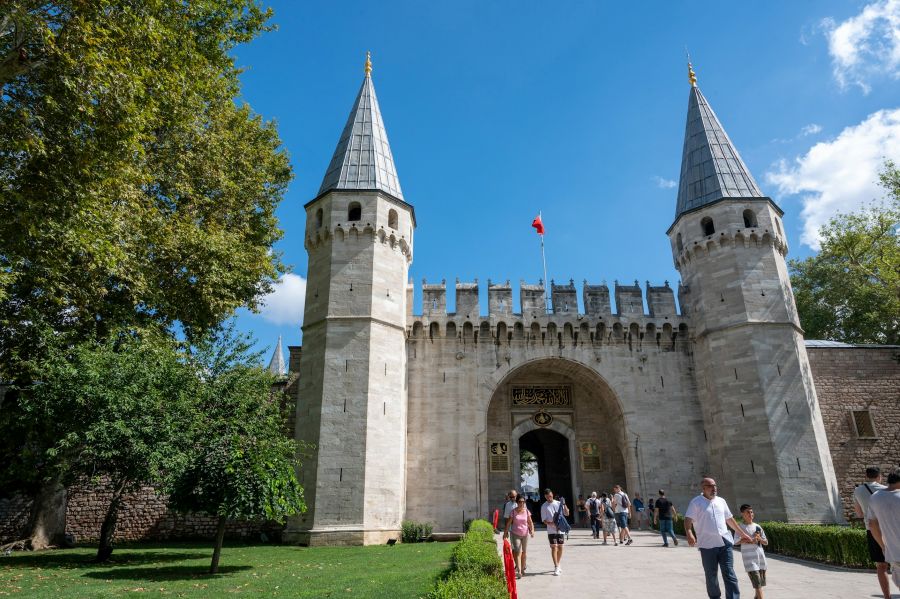
The following day, accompanied by our Turkish liaison officer, we visited the magnificent Hagia Sophia and the Topkapi Saray Palace Museum. The Consul General of India hosted a sumptuous lunch for our delegation at the Topkapi Museum’s restaurant. During my time in Istanbul, I tried my level best to trace and meet my dear old friends Muhammad Ali and Najmuddin, but unfortunately, my efforts went in vain. Before departing, I purchased a packet of famous Turkish baklava and two liters of authentic Turkish olive oil as gifts for Nilofer. We returned to New Delhi after a thoroughly delightful and memorable two days in Istanbul.
The Historic Dawn of Allahabad Central University
Soon after returning to Allahabad, I was invited to join another important delegation consisting of senior faculty members of the University. Led by the acting Vice-Chancellor, Professor Janak Pandey, our delegation was slated to meet Mr. Arjun Singh, the Union Minister of Human Resource Development, in New Delhi. The primary agenda was to appeal to the Minister to expedite the process of restoring Allahabad University to the status of a Central University, for which a bill had already been introduced in Parliament.
On the appointed date, we reached New Delhi and stayed at the guest house of the Association of Indian Universities. We met the Minister that afternoon. Mr. Arjun Singh, himself a proud alumnus of Allahabad University, welcomed us cordially, gave us a patient hearing, and assured us that he would do his utmost to fulfill our demand.
A few weeks later, he graciously honored his word: Parliament passed the historic bill declaring the University of Allahabad an institution of national importance and converting it into a Central University. This momentous change meant that our university would henceforth be funded and governed directly by the Central Government, with the President of India serving as Visitor and the Governor of Uttar Pradesh acting as Chief Rector. The transformation brought immense joy, institutional prestige, and substantial benefits to the entire university fraternity. It ensured enhanced funding for departmental research and library facilities, the creation of new teaching and non-teaching posts, and an extension of the faculty retirement age from 60 to 65 years. The Central Government soon set up a high-powered search committee to appoint the first Vice-Chancellor of the newly minted Central University.
Welcoming the First Central Vice-Chancellor and Vision 2020
In October 2005, Professor Rajen Harshe, an eminent scholar from the Central University of Hyderabad, was appointed as our first Vice-Chancellor, assuming charge shortly after the official notification was issued. Professor Harshe was a distinguished political scientist who had studied at Fergusson College, Pune, Jawaharlal Nehru University, and the University of Paris. Beyond his stellar scholarly credentials, he was an amiable, courteous administrator and a man of great vision.
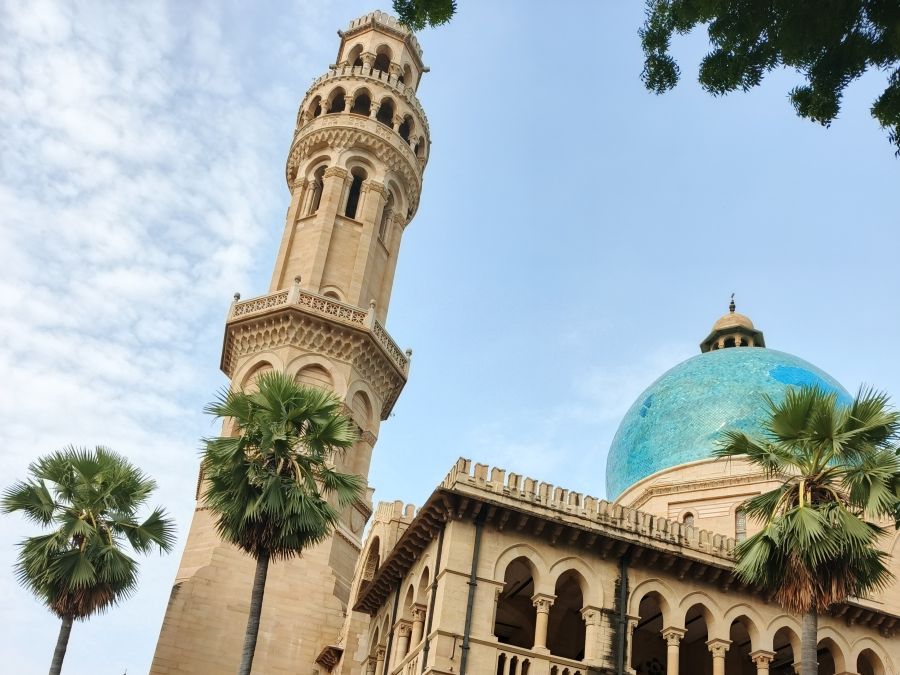
He took the initiative to personally visit every teaching department on campus, interacting freely with faculty members. My initial meeting with him as Head of the Department of Mediaeval and Modern History was exceedingly warm and productive. He faced the immense responsibility of steering the complex transition from a state university to a premier central institution. To lay the institutional framework, he appointed a committee chaired by my distinguished colleague, Professor V.C. Pande, to draft the new Ordinances of the University.
Simultaneously, Professor Harshe constituted a committee of senior professors to chart out the long-term developmental blueprint of the university for the next fifteen years, appointing me as the Chairman of this Vision Committee. Over the subsequent months, we convened numerous deliberative meetings in the conference room of the Vice-Chancellor’s office. I diligently recorded the proceedings and drafted the comprehensive report titled Vision of Allahabad University 2020. The Vice-Chancellor commended our hard work and tabled the report before the Academic Council, which approved it after extensive discussion.
Commemorating Akbar: The 2005 National Workshop
Late in 2005, the Indian Council of Historical Research sanctioned a substantial grant to our department to conduct a week-long national workshop on the Age of Akbar, commemorating the 400th death anniversary of the Mughal Emperor Jalaluddin Muhammad Akbar (r. 1556–1605). As Head of the Department, the responsibility of coordinating this major academic exercise fell upon my shoulders.
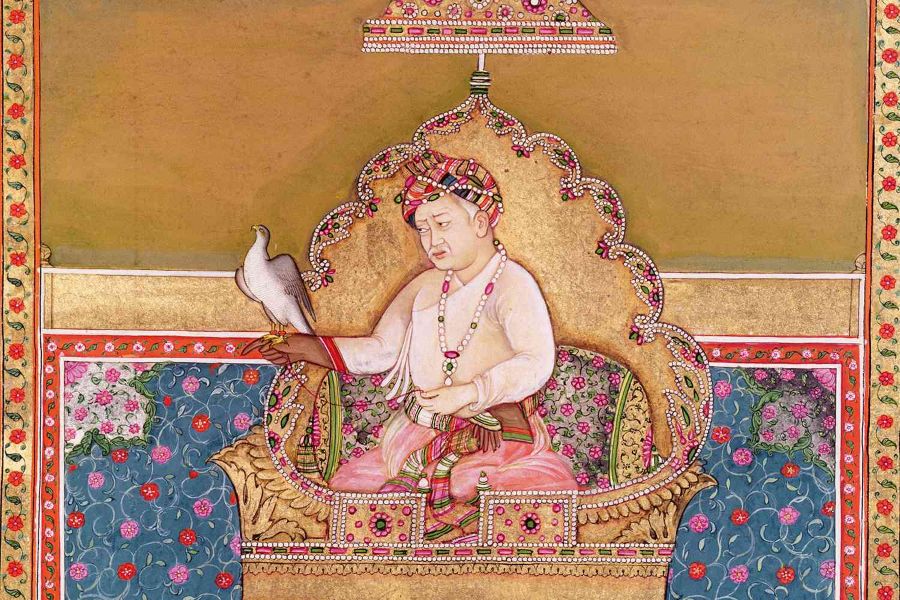
With the dedicated assistance of my faculty colleagues and research scholars, we set to work planning the event. We drafted a detailed academic schedule and secured the consent of many of India’s foremost medieval historians to deliver keynote lectures. Invitations were dispatched to history lecturers from universities across Uttar Pradesh and other states to participate as delegates. The response was overwhelming.
We arranged lodging for the distinguished speakers at the University Guest House, while the male and female delegates were accommodated comfortably in the university hostels. We chose to hold the inaugural function outdoors in the lush garden in front of our department, which I had carefully cultivated over the preceding three years. To ensure regular teaching remained uninterrupted, all subsequent academic sessions were held in the University Delegacy Hall.
The inaugural session commenced in early December 2005. Professor Wayne Begley, Professor of Indian and Islamic Art at the University of Iowa, kindly consented to inaugurate the proceedings. Professor Begley was an internationally acclaimed scholar, widely known for his authoritative monograph on the Taj Mahal and his translation of the Shahjahan Nama. Having met him at a conference in New Delhi in 2003, we had remained in regular touch. Because the Vice-Chancellor was out of station on the opening day, I requested the senior-most professor on campus, Professor Janak Pandey, Head of the Psychology Department, to preside over the function, which he graciously agreed to do.
The opening day was a resounding success; Professor Begley delivered a masterly lecture on the early life and statecraft of Akbar, while Professor Pandey commended our department and spoke incisively on the intersection between history and psychology.
Over the next week, the workshop unfolded in a scholarly and collegial atmosphere. Luminaries from Aligarh Muslim University, Delhi University, Jamia Millia Islamia, and Patna University addressed the delegates. I presented a paper focusing on Mughal–Ottoman Relations during the reign of Akbar. I also had the distinct honor of inviting my elder brother, Bhaiya, to speak on Sabk-i-Hindi, the distinctive Indian style of Persian poetry that flourished under Akbar’s court; it was a pure delight to hear his brilliant, erudite exposition. The workshop concluded on a high note, receiving extensive coverage in the regional press and leaving the delegates thoroughly enriched.
Looking back, those demanding months served as a vital balm for my spirit. While the pain of losing my mother remained an ever-present ache, throwing myself into international diplomacy in Ankara, steering Allahabad’s transformation into a Central University, and hosting our landmark gathering on Akbar allowed me to honor her memory through constructive service. Through scholarship, institutional governance, and the warm camaraderie of peers and family, I found the strength to keep moving forward, dedicated to the university that had become the cornerstone of my life.
To be continued…
One comment on “From the Backbenches to the Vice Chancellor’s Chair: My days at Allahabad University – Part 16”