In the sixteenth part of my memoir, I recounted the lingering sorrow following my mother’s passing and how immersing myself in scholarship provided a much-needed sanctuary. I detailed our official cultural mission to Ankara and Istanbul, the historic transformation of Allahabad University into a premier Central University under the visionary leadership of its first Vice-Chancellor, Professor Rajen Harshe, and the vibrant national workshop our department hosted to commemorate the fourth centenary of Emperor Akbar. As we stepped into the years 2005 to 2007, life brought major shifts on both the family and administrative fronts—marked by our sons taking their first major steps into the wider world, new institutional responsibilities, and one of the most grueling logistical challenges of my academic career.
New Horizons for Tipu and Khurram
In the meantime, things were moving fast on the home front. In 2004, Sapient Corporation, where Tipu was working as a software engineer, decided to transfer him to their London office to work on a project in collaboration with their local employees. For us, it was a matter of great pride and pleasure that a multinational company, in recognition of Tipu’s competence as a software engineer, had decided to send him to their UK office. Yet, it was a very difficult emotional decision for us to see Tipu leave for a foreign land so far away from home. In the end, we agreed to let him go with a heavy heart. All three of us traveled to Gurgaon to bid farewell to such an important and beloved member of our family. Tipu performed exceptionally well in the company’s London office, and within 2 years, they sent him to work at their United States office in New Jersey. We remained in touch regularly, but the thought of Tipu living so far from us continued to weigh heavily on our hearts.

That same year, 2005, Khurram passed his M.A. examination in Psychology with more than seventy percent marks, which pleased us immensely. Like Tipu, Khurram was not interested in appearing for the civil services examination and chose instead to pursue an academic career. He initially worked on several research projects in the Psychology department as a Research Assistant for more than a year, and subsequently joined the Institute of Psychological and Educational Measurement (IPEM) in Allahabad in the same capacity for six months, all while trying for admission to a postgraduate program in the United States. He performed very well in the Test of English as a Foreign Language (TOEFL) and the Graduate Record Examination (GRE) in Psychology, both of which were mandatory requirements for foreign students seeking admission to American universities. He was eventually admitted to a prestigious university in Scotland, but the exorbitant tuition fees and living expenses were far beyond our financial reach.
Khurram therefore decided to pursue his doctoral degree in India itself. In the meantime, he also cleared the National Eligibility Test (NET), which by that time had become mandatory for admission to doctoral programs and for pursuing a teaching career in any Indian institution of higher learning. Khurram applied and gained admission to the Ph.D. program in Psychology at Delhi University. Once again, it was a difficult decision for us to let Khurram leave Allahabad, but keeping in view his deep passion for academics and the betterment of his future career, we let him go with a heavy heart.
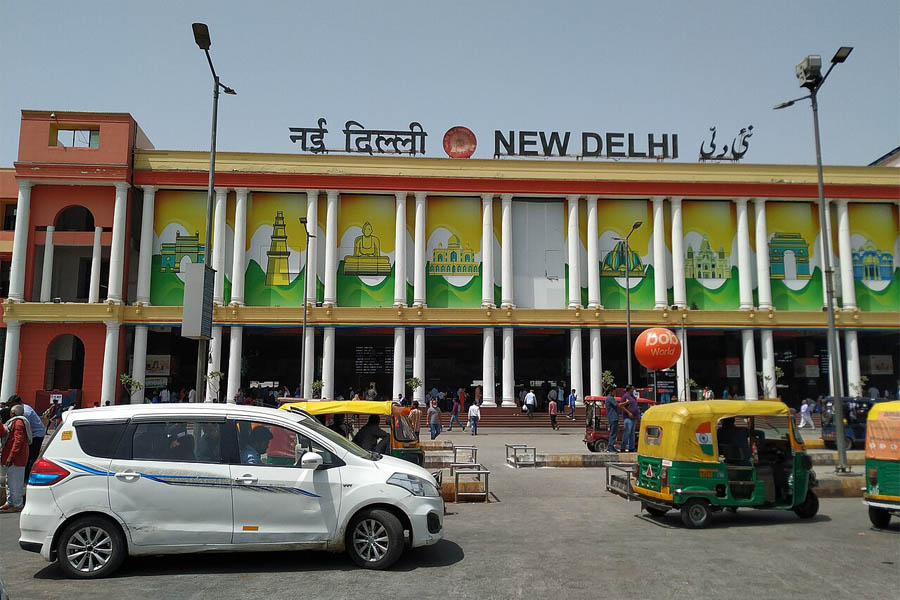
We traveled with Khurram to Delhi to help him get settled. I met his research supervisor, Professor N.K. Chadha, and thanked him sincerely for enrolling Khurram under his supervision. Initially, we searched for suitable accommodation for Khurram close to the campus, but the available places did not meet our expectations. Luckily, my friend Professor Farhat Hasan of Delhi University generously offered to let Khurram stay in his university apartment. Since the flat was situated on the fifth floor of the residential complex without a lift, his family preferred to live in Aligarh, leaving the Delhi apartment unoccupied. The very thought of Khurram living in a flat all by himself was painful, but we had to accept the fait accompli. After making all the necessary provisions for his stay, we returned to Allahabad in a pensive mood.
However, Khurram’s housing struggles in Delhi had only just begun. After three months, Professor Farhat Hasan asked Khurram to vacate the apartment, explaining that his family was now planning to shift to Delhi. Khurram had to scramble to find another place to live. He managed to secure admission to the university’s Gwyer Hall hostel, but he found the hostel environment unconducive to serious study. Eventually, he found paying guest (PG) accommodation in the Model Town locality of Delhi and shifted there.
Ottoman Archives and Indo-Turkish Historical Ties
The academic year 2006–07 proved to be both extraordinarily busy and demanding. In February 2006, the Second International Conference on Indo-Turkish Relations was held in New Delhi. The Indian Council of Historical Research (ICHR) once again invited me to present a research paper. I readily accepted the invitation, reached New Delhi on the appointed date, and went straight from the railway station to the India International Centre, where lodging had been arranged for the delegates.
The conference was conducted over three days in a cordial and academically vibrant atmosphere. Many leading Turkish historians and distinguished Indian scholars participated, drawing a large audience of academicians and students from universities across Delhi. I presented a paper titled “Two Ottoman Documents on South India.” I had discovered these rare records during my earlier research stints at the Başvekalet Arşivi (the Prime Ministry Archives / National Archives) in Istanbul.
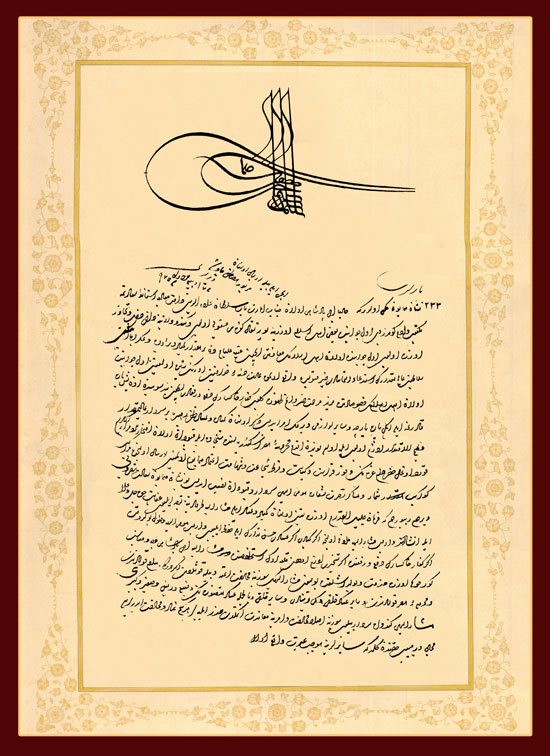
The first document was a royal farman addressed to the Ottoman governors of Basra and Baghdad, directing them to provide all necessary facilities and unhindered access to the envoy of Sultan Murtaza Nizam Shah of Ahmadnagar, who was visiting the ancestral mausoleum of the Nizam Shahi sultans in Karbala. The second royal farman was addressed to the governor of Jeddah, instructing him to disburse—as was the established custom—one hundred gold coins to the Khateebs (prayer leaders) of twenty-seven prominent mosques in Calicut. Alongside presenting precise English translations of these Ottoman Turkish documents, I provided detailed historical commentaries to situate them within the wider framework of sixteenth-century Mughal-Ottoman geopolitical rivalries and maritime networks.
My paper was warmly received by the scholarly community, which brought me immense satisfaction. Furthermore, the organizers honored me by inviting me to chair one of the academic sessions. The conference received wide coverage in the national press and witnessed lively discussions throughout its three days. After the proceedings concluded, I returned to Allahabad feeling intellectually invigorated and deeply fulfilled.
Taking Charge as Dean of the Colleges Development Council
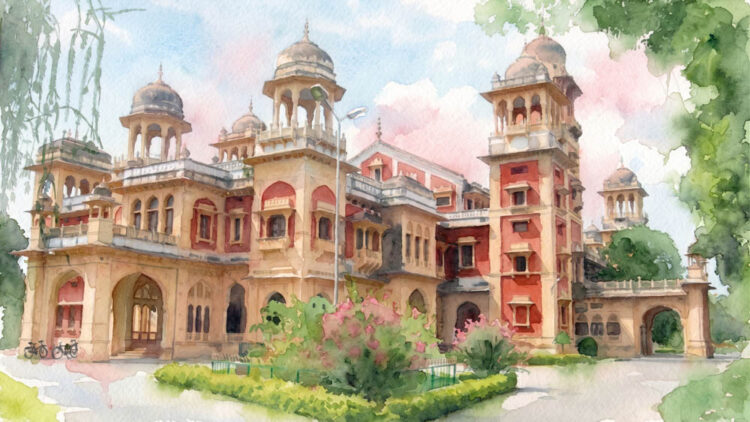
In May 2006, the Vice-Chancellor, Professor Rajen Harshe, invited me to assume the office of Dean, Colleges Development Council (CDC), an administrative responsibility I readily accepted. The office of the Dean, CDC, was located on the historic Senate House campus. On my first day, I was warmly received by the outgoing Dean, Professor Savinder Singh, along with the Office Superintendent, Mr. Muhammad Abbas. Professor Singh briefed me thoroughly on the primary duties of the position, which centered around coordinating the academic and administrative affairs of the eleven constituent and affiliated colleges under the university’s umbrella.
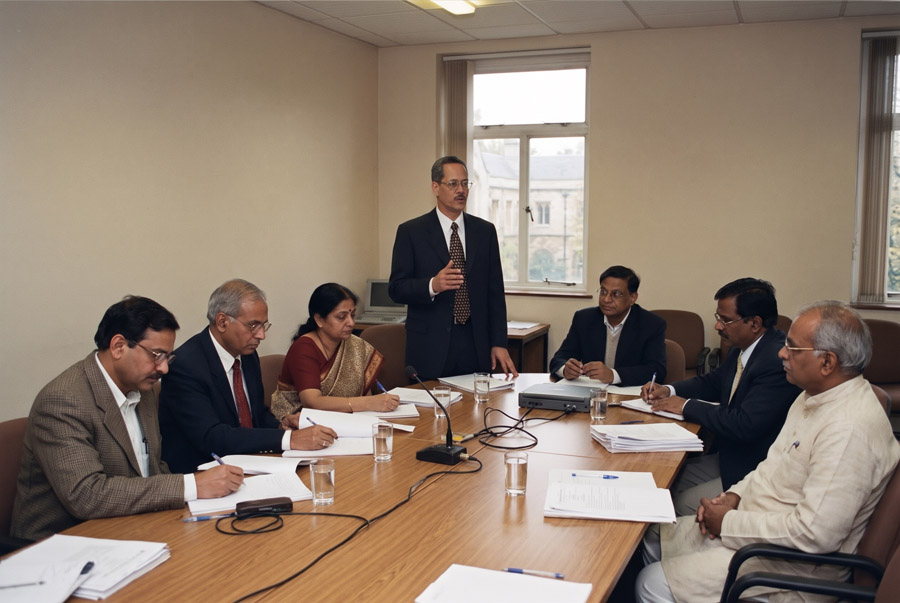
The following day, I convened a formal meeting of the principals of all eleven colleges. I assured them of my wholehearted support and administrative cooperation in addressing their legitimate institutional needs. The meeting was conducted in a very courteous and constructive atmosphere, during which the various structural and academic problems confronting the colleges were discussed candidly. For the next year, I discharged the responsibilities of the Dean, CDC, meeting regularly with college authorities and making every possible effort, in close consultation with the Vice-Chancellor, to address their concerns effectively.
The Mammoth Undertaking of UGAT 2007
In March 2007, the university administration took a historic decision to conduct an All-India Entrance Test for admissions to both its undergraduate and postgraduate programs. In addition to local centers across Allahabad, the university decided to organize the entrance examination simultaneously in major cities including Lucknow, Delhi, Bhopal, and Bangalore, among others. It was the very first time in its history that the University of Allahabad had attempted an exercise of such nationwide scale, requiring elaborate logistical arrangements.
The Vice-Chancellor constituted two separate apex committees to manage the undergraduate and postgraduate admission tests, and preparations commenced on a war footing. Professor Harshe asked me to serve as Chairman of the Undergraduate Admission Test (UGAT) Committee. I accepted the responsibility with a degree of hesitation, knowing full well that executing an unprecedented, multi-city examination was a daunting and delicate task.
Because the undergraduate test encompassed admissions to both the main university faculties and the constituent colleges, I sought Professor Harshe’s permission to include two committee members from the colleges as well, to which he readily consented. I reached out to Dr. S.N. Shrivastava and Dr. Anand Shrivastava, two capable colleagues whom I had come to know well through my work as Dean, CDC. They graciously accepted my invitation and assured me of their steadfast support. Five other faculty members representing different university departments were appointed to complete the committee.
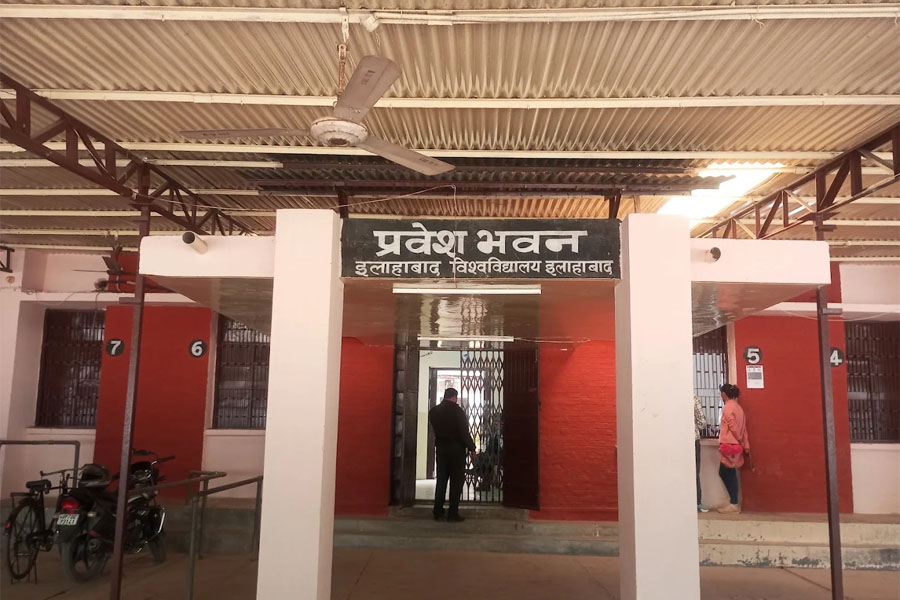
The timeline at our disposal was woefully short. The nationwide examination was scheduled for June 2007, leaving us with less than three months to plan and execute everything from scratch. I immediately convened an emergency meeting of the committee at the Pravesh Bhawan (Admission Office) in Chatham Lines. I impressed upon the members the vital need for complete mutual trust, absolute secrecy, and seamless cooperation.
I requested one colleague to shoulder the responsibility of identifying and securing test centers, both within Allahabad and across other cities. He worked tirelessly to finalize the venues and complete all legal and administrative formalities. We drew up rosters of faculty members willing to travel and serve as center superintendents and observers for both local and outstation centers.
Simultaneously, we undertook the drafting and publication of a comprehensive information brochure outlining the rules, syllabi, and guidelines for the entrance test, to be distributed alongside the application forms. The committee worked round the clock, revising drafts until the official UGAT 2007 Information Brochure was finalized and printed.
We established dedicated distribution and collection counters at the Pravesh Bhawan. In addition to the regular non-teaching staff from the university examination section, extra personnel were brought in to manage the counters, which operated continuously from 10:00 a.m. to 5:00 p.m. every day, including Sundays and public holidays. To ensure the smooth daily functioning of this large team, I entrusted my former student, Dr. Satyendra Nath, an Assistant Professor of History at C.M.P. Degree College, with the responsibility of arranging lunch and refreshments for the entire staff and committee members at Pravesh Bhawan—a duty he carried out with unflagging sincerity every single day.
Safeguarding the Integrity of the Examination
Since teaching in the History department had concluded for the session following the announcement of the annual examination schedule, I devoted myself entirely to the admission office, arriving at Chatham Lines by 10:00 a.m. and working until late in the evening. My research scholar, Meraj, along with a dedicated core of committee members, remained by my side throughout, assisting with the mounting administrative burden.
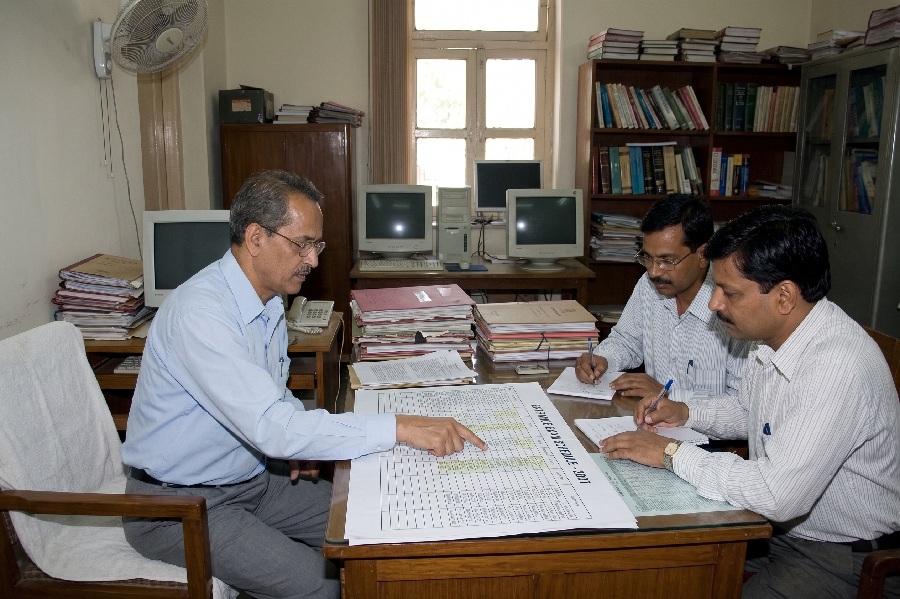
The most sensitive and urgent task was the preparation of the examination question booklets. In a full committee meeting, we resolved to request the Deans of the Faculties of Arts, Science, and Commerce to liaise confidentially with their respective heads of departments to draft two independent sets of question papers, each consisting of one hundred multiple-choice questions, within a strict fifteen-day deadline.
Meanwhile, the distribution and submission of application forms gained tremendous momentum, turning the Pravesh Bhawan into a hive of nonstop activity from dawn to dusk.
Once the confidential question manuscripts were submitted and carefully moderated by senior subject experts from each faculty, we confronted the most critical challenge: printing the question papers without compromising confidentiality. Determined to eliminate any possibility of a question paper leak, we decided that the printing must take place far away from Allahabad. I entrusted this sensitive mission exclusively to Dr. Anand Shrivastava, who had reliable connections with a secure, reputed printing press located in a distant town.
To maintain foolproof security, the exact identity of the press and the town were kept an absolute secret from the rest of the committee members and even from my own family. While some committee members were understandably unhappy about being kept out of the loop regarding the printing arrangements, I stood firm, convinced that extreme confidentiality was essential to protect the integrity of the university and the reputation of our committee.
On the scheduled date, Dr. Anand Shrivastava traveled to the chosen destination and remained stationed in a local hotel for a week to personally oversee the entire printing and packaging process. I also made an unannounced, one-day visit to the town to inspect the security and progress firsthand. To ensure absolute secrecy, I did not reveal my destination even to Nilofer, simply informing her that I had to travel to Kanpur for urgent examination-related work.
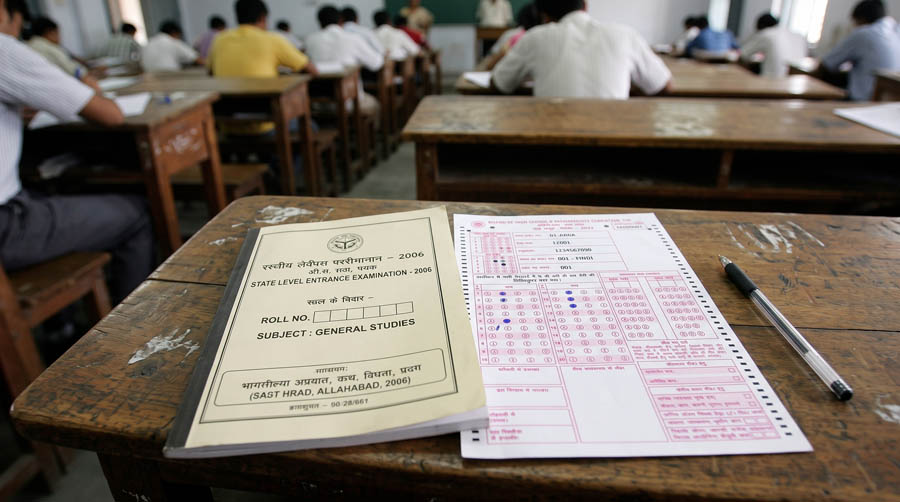
Within a week, the printing of the question booklets was completed flawlessly. The required number of booklets for each designated test center—both within Allahabad and across other cities—were meticulously counted, packed, and sealed in heavy-duty cardboard cartons. The names of the respective centers and appointed center superintendents were printed and pasted boldly atop every carton. The entire consignment of confidential examination materials was loaded onto a dedicated truck and brought under tight security into Allahabad under the cover of night, arriving three days before the scheduled test date, exactly as planned. The cartons were deposited safely into the high-security strongroom of the Controller of Examinations, who was also an ex-officio member of our committee.
The very next morning, the center superintendents assigned to outstation cities like Delhi, Bangalore, Bhopal, and Lucknow were handed their sealed cartons along with the required OMR answer sheets and dispatched by train so they would arrive comfortably ahead of time. They were strictly instructed not to break the outer seals of the cartons until thirty minutes before the commencement of the test, and then only in the presence of the heads of the host institutions. Meanwhile, the principals of the local college centers in Allahabad made arrangements for the required invigilation staff.
The D-Day and Stepping Aside with Principles
Finally, the fateful D-Day arrived. The local center superintendents were dispatched to their respective venues across Allahabad at 7:00 a.m. with the sealed test packets to ensure that all seated arrangements and invigilation protocols were in order well before the 10:00 a.m. start. The district administration had deployed adequate police personnel to maintain order and security outside every venue.
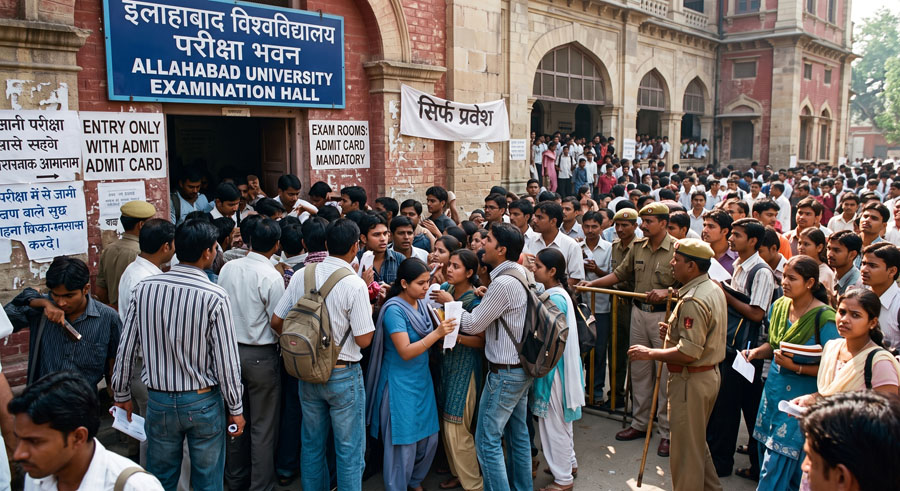
From early morning, our nerves were on edge; we found ourselves on tenterhooks, praying constantly that the massive operation would conclude smoothly without any administrative hitches or untoward incidents. Leaving a few committee members at the Senate House camp office—where all center superintendents were instructed to deposit the materials after the examination—I spent the morning touring every single local examination center in person alongside Dr. S.N. Shrivastava and Dr. Anand Shrivastava. The Vice-Chancellor, Professor Harshe, also conducted surprise inspections of several venues and expressed his complete satisfaction with the discipline and order with which the test was conducted.
By the grace of the Almighty, the entrance examination passed off without the slightest hitch or disruption. The used OMR answer sheets and test booklets were systematically received, verified, counted, and locked securely in the Controller of Examinations’ strongroom. Over the following two days, the outstation superintendents returned to Allahabad, and their sealed materials were similarly secured.
I breathed a profound sigh of relief. Through the grace of Allah, the monumental UGAT 2007 had concluded with flying colors. I extended my heartfelt gratitude to the committee members and the dedicated staff at Pravesh Bhawan for their unflagging cooperation and tireless labor in executing the first-ever nationwide admission test in the history of Allahabad University. Professor Harshe also publicly expressed his deep appreciation for the flawless execution of this landmark initiative.
However, the relentless physical and mental strain of those three months—working seven days a week without a single day of rest, resolving endless logistical crises, and parrying the persistent pressure and occasional intimidation from student union leaders—had taken a severe toll on my health and energy. Furthermore, I had grown deeply disheartened by the indifferent and uncooperative attitude of a few committee members who had shirked their share of the burden.
After discussing the situation with close and trusted colleagues, I met the Vice-Chancellor and formally requested him to relieve me of any further responsibilities regarding UGAT 2007. I suggested that he constitute a fresh committee to oversee the evaluation of OMR sheets, the declaration of results, and the subsequent counseling process. Professor Harshe accepted my request with great reluctance and appointed a new committee under the chairmanship of Dr. U.C. Shrivastava, who had been a member of our original team. The local newspapers splashed the news on their front pages the following morning, speculating widely about why the chairman had chosen to resign immediately after bringing such a massive exercise to a triumphant conclusion.
For my own part, I felt a deep sense of moral satisfaction at having discharged a complex, high-stakes duty with absolute honesty, transparency, and administrative rigor. When I submitted the final itemized accounts of expenditures incurred during the examination to the finance office, the dealing assistant was visibly astonished; the total printing bill I submitted was substantially lower than the expenses incurred by previous local admission committees in earlier years. I smiled and told him simply that I had done nothing extraordinary—I had merely performed my duty with complete integrity.
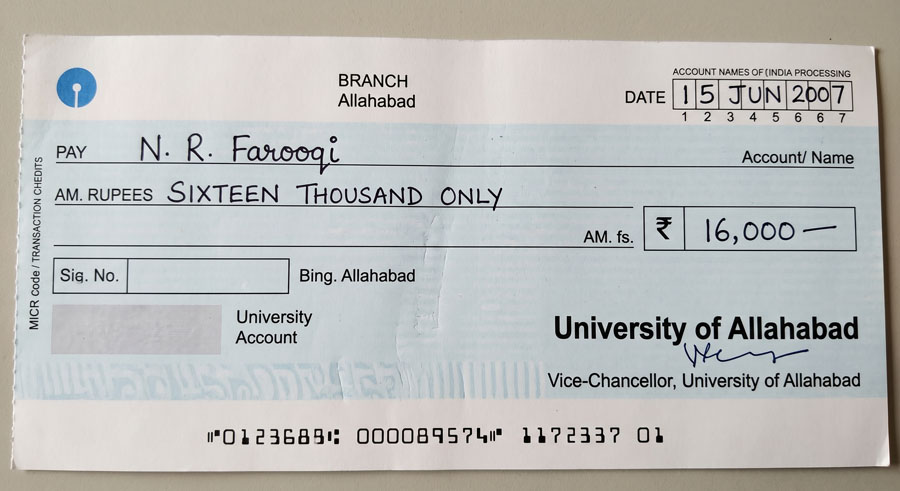
A few days later, the university accounts branch dispatched a formal honorarium cheque of Rs. 16,000 for my services as Chairman of UGAT 2007. I promptly returned the cheque to the university along with a letter addressed to the Vice-Chancellor, stating that I had undertaken this exhausting assignment purely as a matter of institutional duty toward my alma mater, not for financial gain. Deeply moved by this stance, my trusted colleagues Dr. S.N. Shrivastava and Dr. Anand Shrivastava followed suit and returned their respective remuneration cheques of the same amount to the university chest.
Professor Harshe was profoundly touched by our collective gesture. He addressed a personal letter of appreciation to the three of us, expressing his immense admiration for our moral rectitude and saluting our selfless integrity in steering the university through one of the most ambitious and unprecedented administrative undertakings in its history.
Looking back on those demanding years, they stand out as a profound test of resilience, both within the quiet rooms of our home and amidst the public glare of university governance. Watching both my sons spread their wings—Tipu crossing oceans to carve out an international career in technology, and Khurram persevering through the daunting hurdles of doctoral research in Delhi—left our home quieter, yet filled us with immense parental gratitude. Professionally, navigating the intricate demands of the Dean’s office and pulling off an unprecedented nationwide examination reinforced my lifelong conviction that an academic’s truest assets are unwavering administrative integrity and devotion to one’s institution. With the university stepping firmly into its new identity as a Central institution and my conscience at complete peace, I turned back toward my first love: research, writing, and the quiet dignity of the classroom.